Should You Unplug Your TV Every Day to Protect It and Save Energy
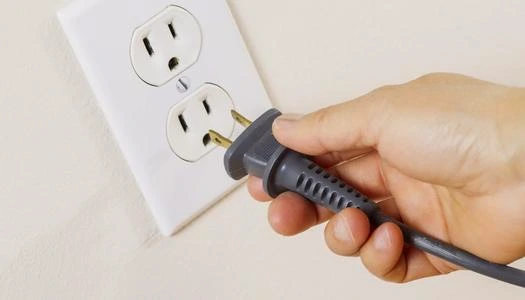
A technical report published by the specialized website How-To Geek says that unplugging your television every day generally has more drawbacks than benefits. According to the report, keeping the TV plugged in is the best option for most users, although there are a few exceptions depending on the type of display and weather conditions.
The report explains that OLED TVs, in particular, should remain connected to power while in standby mode. This allows the television to perform an essential automatic maintenance process known as the compensation cycle, which helps prevent permanent issues such as image retention and uneven screen brightness. A constant power connection also ensures that software and smart TV updates are installed automatically.
Experts recommend unplugging the TV completely in only two situations. The first is when the television is rarely used, such as one located in a guest room, to avoid unnecessary standby power consumption. The second is during severe thunderstorms or frequent power outages, as unplugging the TV—or even disconnecting the surge protector itself—is the only guaranteed way to protect sensitive electronic components from power surges.
As a practical alternative to unplugging the TV repeatedly, the report recommends using technologies that balance energy savings with device protection. These include investing in a high-quality surge protector or using smart power strips that automatically cut power to connected devices, such as receivers and sound systems, when the main TV is turned off. Users can also disable the TV’s quick-start or fast standby mode through the settings menu to further reduce energy consumption.