Study: Excessive Chili Pepper Consumption May Raise the Risk of Esophageal Cancer
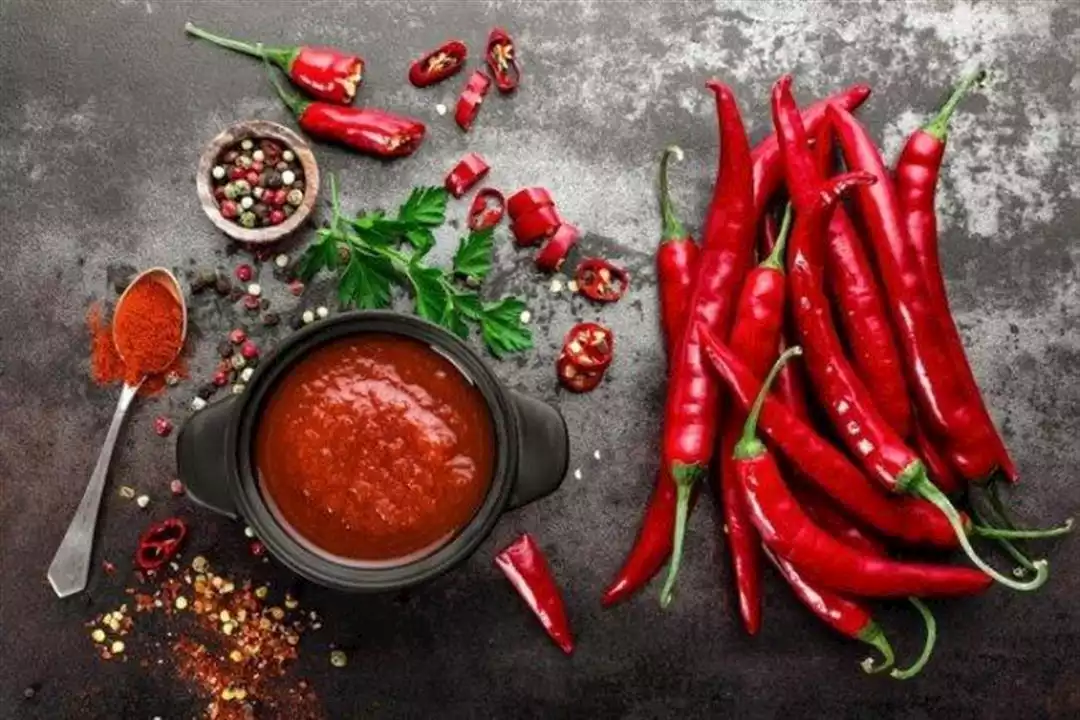
A recent scientific study has suggested a potential link between excessive chili pepper consumption and a higher risk of certain digestive system cancers, especially esophageal cancer.
According to SciTechDaily, conflicting evidence regarding the health benefits and risks of chili peppers makes it difficult to determine their exact impact on human health, despite their widespread use in cuisines around the world.
The study was based on a meta-analysis reviewing data from 14 previous studies involving more than 11,000 participants, including over 5,000 cases of digestive cancers, in order to evaluate consumption levels.
The results showed that people who consumed large amounts of chili peppers were up to 64% more likely to develop digestive cancers compared to those with lower intake levels.
Esophageal cancer showed the strongest association, with the risk nearly three times higher among heavy chili pepper consumers. However, researchers did not find a statistically significant increase in the risk of colorectal or stomach cancer, although some data suggested a possible 77% higher risk for stomach cancer.
Researchers believe that capsaicin — the compound responsible for the spicy taste of chili peppers — may cause repeated inflammation of the esophageal lining by activating heat and pain receptors, which could gradually increase tissue susceptibility to cancer over time.
These findings support the hypothesis that chili peppers may represent a risk factor for certain digestive cancers, particularly esophageal cancer, highlighting the importance of moderate daily consumption.