Doctors Warn of Health Risks Posed by Digital Screens in Schools to Children’s Health
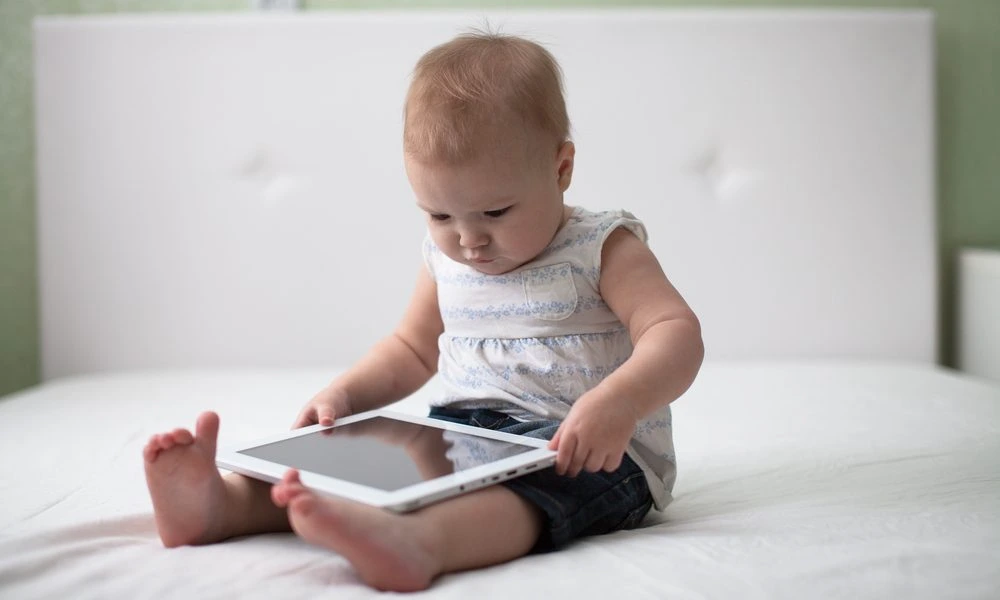
A new warning issued by a group of British doctors has reignited growing concerns among families and educational institutions about the impact of digital homework on children. Such assignments may be consuming an excessive amount of children’s time and unnecessarily extending their daily screen exposure, raising questions about the need to reconsider how digital devices are integrated into the education system.
According to the British newspaper The Independent, more than 150 doctors and specialists in pediatrics, ophthalmology, audiology, and speech therapy have called on the British government to take urgent action and establish clear health guidelines regulating the use of digital technology in classrooms and for homework.
These healthcare professionals emphasize that digital devices and educational platforms have become widespread without sufficient assessment of their cumulative effects on children’s health and safety.
The warnings are supported by a comprehensive scientific review published in the medical journal JAMA Network Open, which analyzed data from 45 studies involving more than 335,000 participants, with an average age of 9 years.
The findings revealed that each additional hour children spend daily using various types of screens, including smartphones, tablets, computers, televisions, and video game consoles, is associated with a 21% increase in the risk of developing myopia (nearsightedness).
This association was particularly pronounced among children whose daily screen time ranged from one to four hours.