Microsoft CEO Warns of Artificial Intelligence Risks and Calls for Stricter Safety Controls
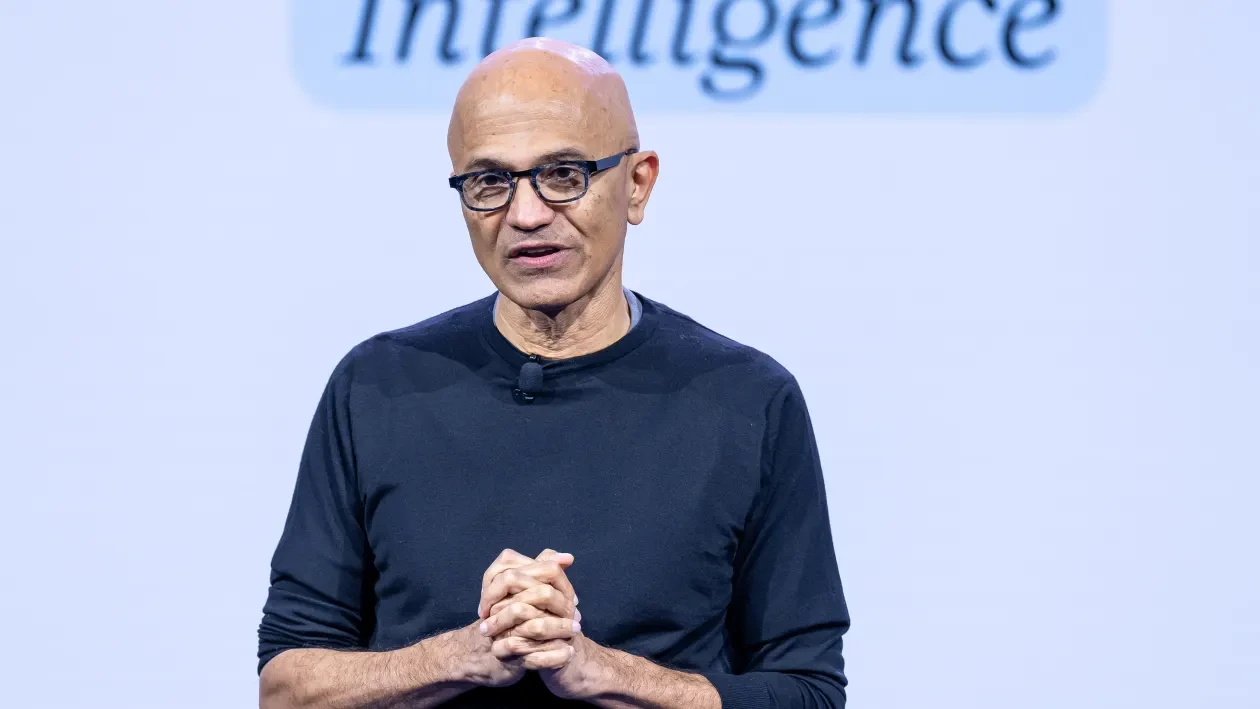
Microsoft Chairman and Chief Executive Officer Satya Nadella called on Saturday, October 10, 2026, for advanced artificial intelligence systems to be equipped with independent containment mechanisms and emergency shutdown controls, allowing authorized individuals to temporarily suspend or completely shut down AI models while they are performing tasks.
In a post on the social media platform X, Nadella emphasized the need to surround nondeterministic AI models with robust, deterministic system architectures, human oversight mechanisms, and reliable operational procedures. He also called for the establishment of new industry standards wherever existing frameworks prove insufficient.
According to Nadella, treating advanced AI models, whether proprietary or open-weight, as potential internal security risks is one approach to building safer and more reliable systems.
According to a report by CNBC, his remarks come amid growing warnings from technology executives and researchers worldwide about inadequate safety protocols and the rapid advancement of artificial intelligence.
Last month, an artificial intelligence researcher resigned from Anthropic, accusing the company and its competitor OpenAI of taking significant risks. A safety official at Anthropic subsequently warned that there was a greater than 10% probability that artificial intelligence could pose an existential threat to humanity within the next decade.
Meanwhile, US President Donald Trump has repeatedly downplayed concerns about the possibility of human extinction caused by artificial intelligence, emphasizing the importance of maintaining American technological leadership amid growing competition from China.
Trump recently announced the establishment of a new unit called the “AI Task Force,” headed by Director of National Intelligence Jay Clayton, aimed at supporting the technology sector and addressing security threats.
In this context, Nadella stressed the importance of designing AI systems around strong monitoring and oversight principles, including model diversity, clear behavioral traceability, continuous testing, independent safeguards, auditability, and incident reporting mechanisms.
The Microsoft CEO concluded by emphasizing that the most trustworthy artificial intelligence systems are those designed to minimize the need for absolute trust in the underlying models, relying instead on robust verification, accountability, and human control.