A Medical Perspective on the Importance of Drinking Water in Summer
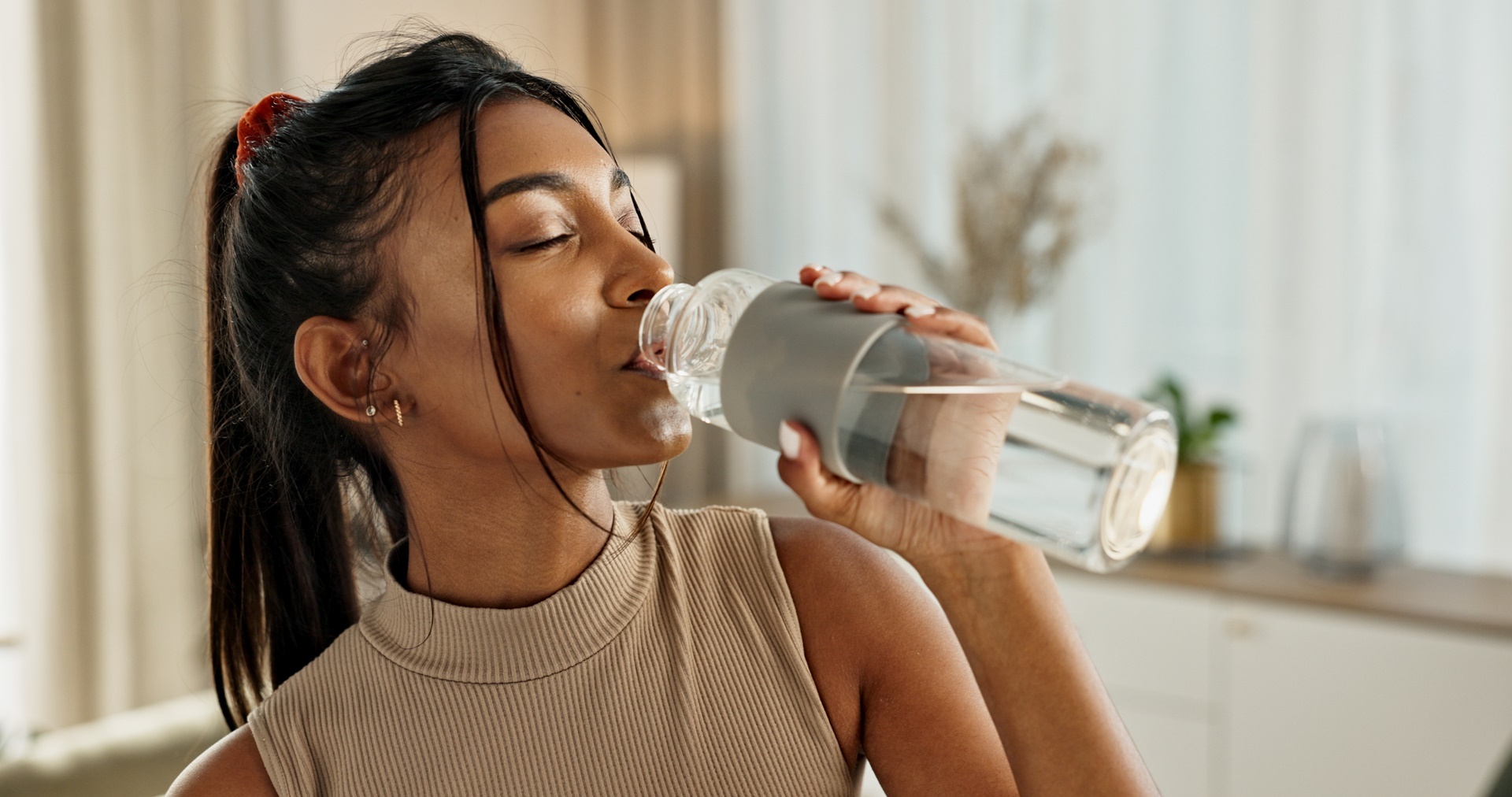
The human body manages heat and physical effort through sweating — a natural cooling mechanism. However, this process leads to the loss of significant amounts of water, salts, and minerals, and many people are unaware of how important it is to replenish these losses by drinking enough fluids.
According to Dr. Kara Taubman from New York City Hospitals, many people do not drink the amount of water they actually need. This applies not only to those exposed to the sun or engaging in strenuous activity but also to those spending time in air-conditioned places, going to the pool, or doing light exercise.
Thirst is the body’s signal that it needs water, says Dr. Rakhi Khanna, a kidney specialist at Rush Medical Center. However, she emphasizes that it’s better not to wait until feeling thirsty to drink, but to make water intake a regular habit throughout the day, including during meals.
Dr. Craig Crandall of the University of Texas Southwestern believes that water remains the best option for hydration, as it replaces lost fluids without any added substances. Scientific guidelines suggest that women need around 2.7 liters of water daily, while men require about 3.7 liters — though these amounts may increase depending on environmental conditions.
If a person works in a hot environment or engages in intense physical activity, they will undoubtedly need more fluids, since increased sweating results in greater water loss. Therefore, it’s important to pay attention to sweating levels and how they affect the body’s hydration needs.
Water-rich foods also contribute to maintaining hydration, such as cucumber, watermelon, tomatoes, and strawberries. These not only provide water but also supply essential minerals like electrolytes. Taubman notes that up to one-fifth of daily fluid intake can come from food, making the choice of hydrating foods a valuable aid in staying hydrated.
On the other hand, excessive consumption of sugary drinks or those high in caffeine is not recommended, as their diuretic effect can lead to increased fluid loss. However, as Khanna explains, beverages like coffee or tea may still contribute to hydration if consumed in moderation and without too much sugar.