Important Tips for Anemia Patients During Fasting in Ramadan
The degree of anemia varies from person to person. Some patients can fast safely, while it may not be suitable for others. The decision to fast depends on the patient’s health condition and the doctor’s assessment. Anemia typically occurs due to a lack of iron in the body, leading to fatigue and general weakness. If the doctor decides that fasting is not harmful to the patient, there are several guidelines to follow to ensure the body’s health during Ramadan.
Among the essential tips for anemia patients, it is recommended to start by eating dates immediately after Iftar, as they contain natural sugars that quickly provide energy to the body, along with iron and essential minerals. After that, a balanced meal should be consumed to replace the nutrients lost during the fasting hours. It is also advisable to drink adequate amounts of fluids during Iftar to avoid dehydration, which could harm the health of anemia patients.
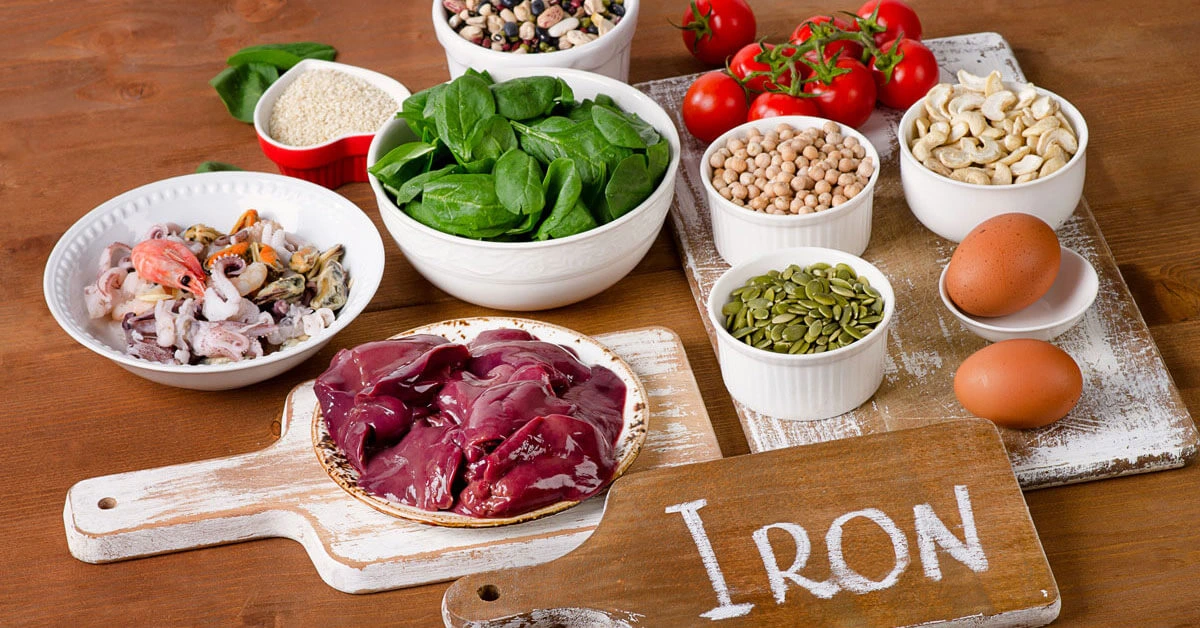
Anemia patients should consume iron-rich foods such as red meat, fish, liver, and vegetables like spinach and parsley. It is also important to eat foods containing vitamin B12 and folic acid, such as nuts, eggs, and vegetables, as they help improve red blood cell production.
Patients with anemia should avoid drinking caffeinated beverages like coffee and tea, as they hinder iron absorption. It is also recommended to eat when feeling tired or fatigued, and if health deterioration continues, an immediate visit to the doctor is necessary.
Additionally, attention should be paid to the Suhoor meal by choosing iron-rich foods such as beans and black honey, along with using lemon juice to enhance iron absorption. Finally, it is preferable for the patient to get enough rest and sleep to avoid any fatigue or stress during fasting.
In all cases, it is crucial to follow the doctor’s recommendations and adhere to the prescribed medication schedule, as the doctor determines the appropriate times to take medications according to the fasting schedule.