Neglecting Oral Health May Increase the Risk of Heart Disease
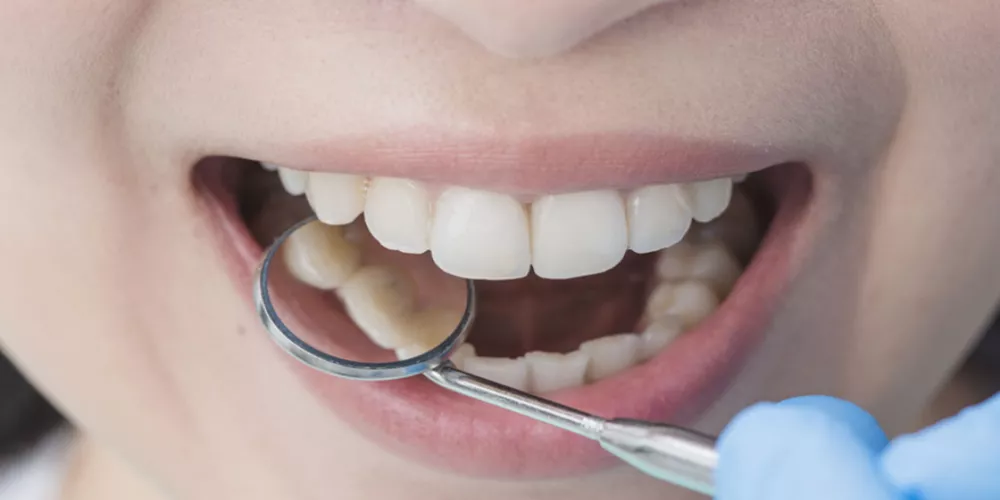
Dr. Denis Moiseyev, Associate Professor in the Department of Therapeutic Dentistry at Pirogov University, has revealed that the dangers of periodontal disease extend far beyond the mouth and can affect the entire body.
According to the expert, periodontal diseases—chronic inflammatory conditions affecting the tissues that surround and support the teeth—play a direct role in accelerating the formation of atherosclerotic plaques, posing a significant threat to blood vessels and heart health.
Dr. Moiseyev compares inflamed periodontal tissue to “an open wound that bleeds continuously,” with a surface area that may reach dozens of square centimeters. He explains that during chewing, tooth brushing, or even at rest, bacteria and their toxins can easily enter the bloodstream.
“In normal conditions, the inner lining of blood vessels is smooth and protected. However, the continuous bacterial assault associated with periodontal disease—particularly by the bacterium Porphyromonas gingivalis—triggers systemic inflammation throughout the body. This bacterium has the ability to damage arterial walls and impair the function of the vascular lining, accelerating the buildup of atherosclerotic plaques and increasing platelet aggregation, which directly contributes to the formation of dangerous blood clots,” he said.
The specialist also warns that periodontal disease can remain silent for long periods without obvious symptoms. Mild gum bleeding, slight bad breath, or minor tooth loosening are often mistakenly attributed to the use of a hard toothbrush or simply to aging. However, bleeding gums during brushing are not merely a cosmetic issue but an important warning sign that requires prompt attention.
Citing scientific evidence, Dr. Moiseyev refers to a meta-analysis showing that severe periodontal disease increases the risk of myocardial infarction (heart attack) by approximately 2.5 times and doubles the risk of stroke. These risk levels are comparable to major cardiovascular risk factors such as smoking or high levels of LDL (“bad”) cholesterol.
Unlike high cholesterol, however, this chronic oral inflammation can often be eliminated through just a few visits to the dentist.
Based on these findings, cardiologists now officially recognize periodontal disease as a cardiovascular risk factor. Individuals with high blood pressure or a history of blood clots or cardiovascular events are therefore encouraged to undergo comprehensive gum examinations, as treating periodontal disease may, in some cases, reduce the risk of thrombosis more effectively than increasing the dosage of statin medications.