Study Identifies a Simple Method for Early Detection of Liver Complications
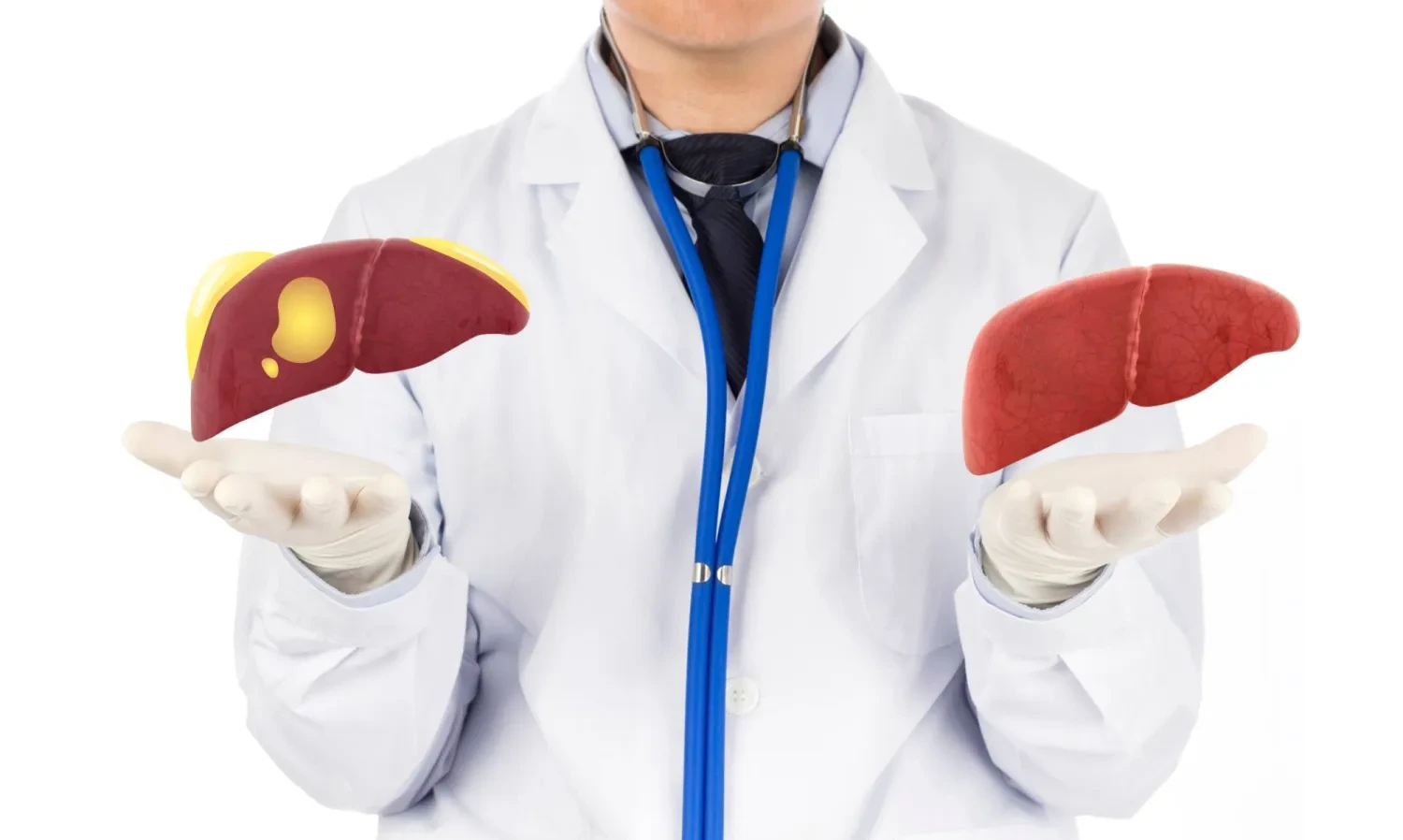
A recent study conducted by a team of researchers at Shinshu University in Japan has revealed that a simple blood test could help detect early structural changes in the liver and accurately predict the risk of serious health complications in patients.
The researchers analyzed medical data from more than 5,000 individuals, including patients with fatty liver disease, a condition characterized by excessive fat accumulation in the liver. Over time, this condition can progress to inflammation, tissue scarring (fibrosis), and impaired liver function.
The findings revealed a direct correlation between elevated blood levels of a protein known as “C7” and the severity of liver damage. According to the study, C7 concentrations exceeding 140 micrograms per milliliter were associated with an approximately 4.5-fold increase in the risk of serious complications, particularly cancerous tumors, even after adjusting for other health factors and indicators.
Additional laboratory experiments showed that the C7 protein is associated with the activity of cells responsible for the formation of scar tissue within organs. This finding could help explain the relationship between increased C7 levels and the deterioration of liver tissue structure.
The researchers emphasized that incorporating C7 protein measurement into routine blood tests could eventually provide a simple, non-invasive diagnostic approach to identifying patients at greater risk of complications and enabling earlier medical intervention.