Orit Moshe.. Moroccan Roots, Traveling Across the Kingdom and Bringing “Another Face” of Morocco to Israel
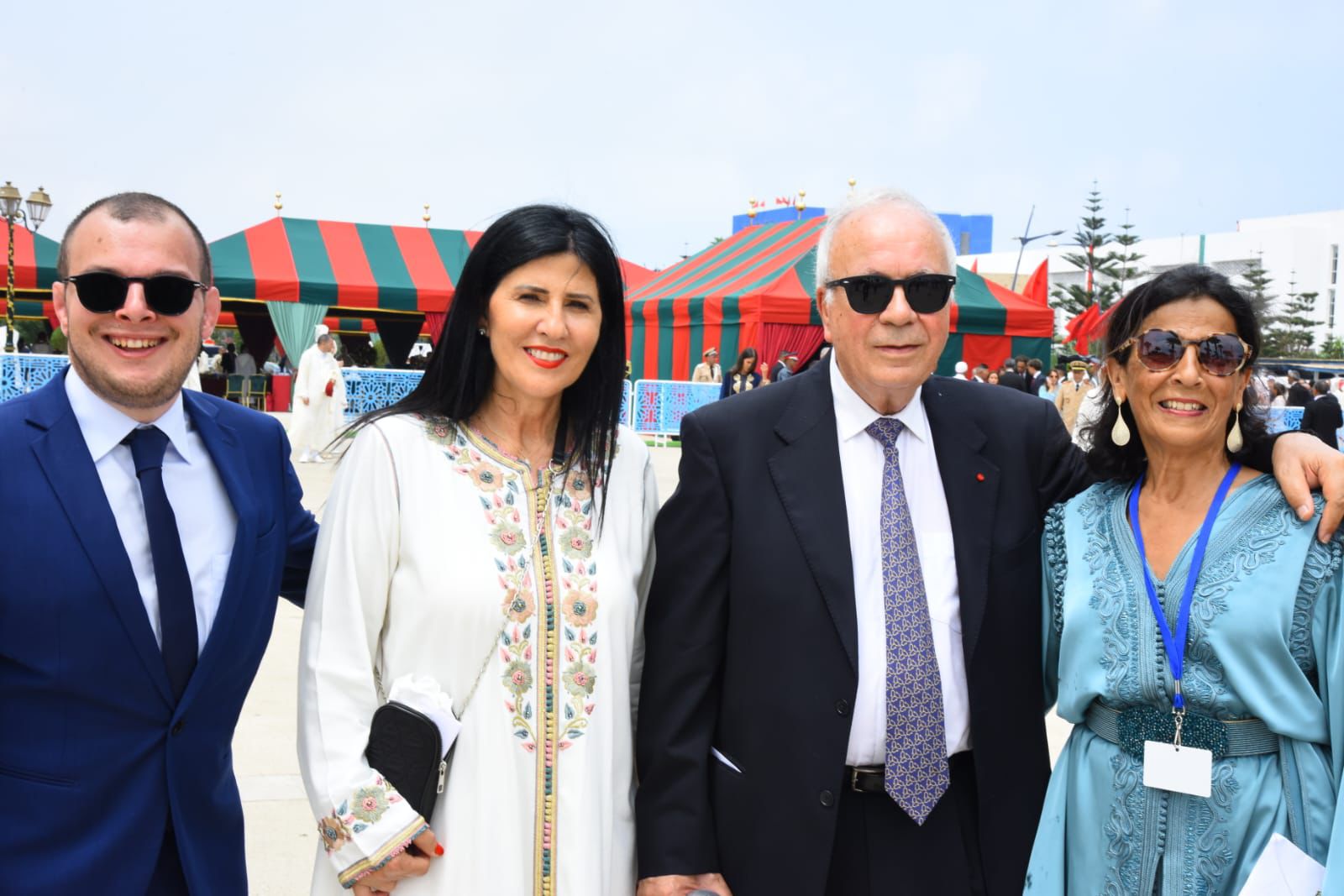
Orit Moshe’s relationship with Morocco is not limited to a passing tourist visit or a ceremonial occasion. Rather, it reflects a deep and ongoing connection to the country of her roots. The senior adviser to the Speaker of the Israeli Knesset, who is of Moroccan descent, regularly returns to the Kingdom to explore its cities and regions and to experience its culture and traditions, before returning to share the details of this firsthand experience with those around her in Israel.
Her most recent visit to Morocco coincided with the celebrations marking Throne Day in 2026. For her, the occasion carries a particular symbolic significance, offering a renewed opportunity to highlight her ties to the Kingdom and reconnect with part of the living memory of Moroccan Jews amid a national celebration.
Beyond Religious Sites… Discovering Today’s Morocco
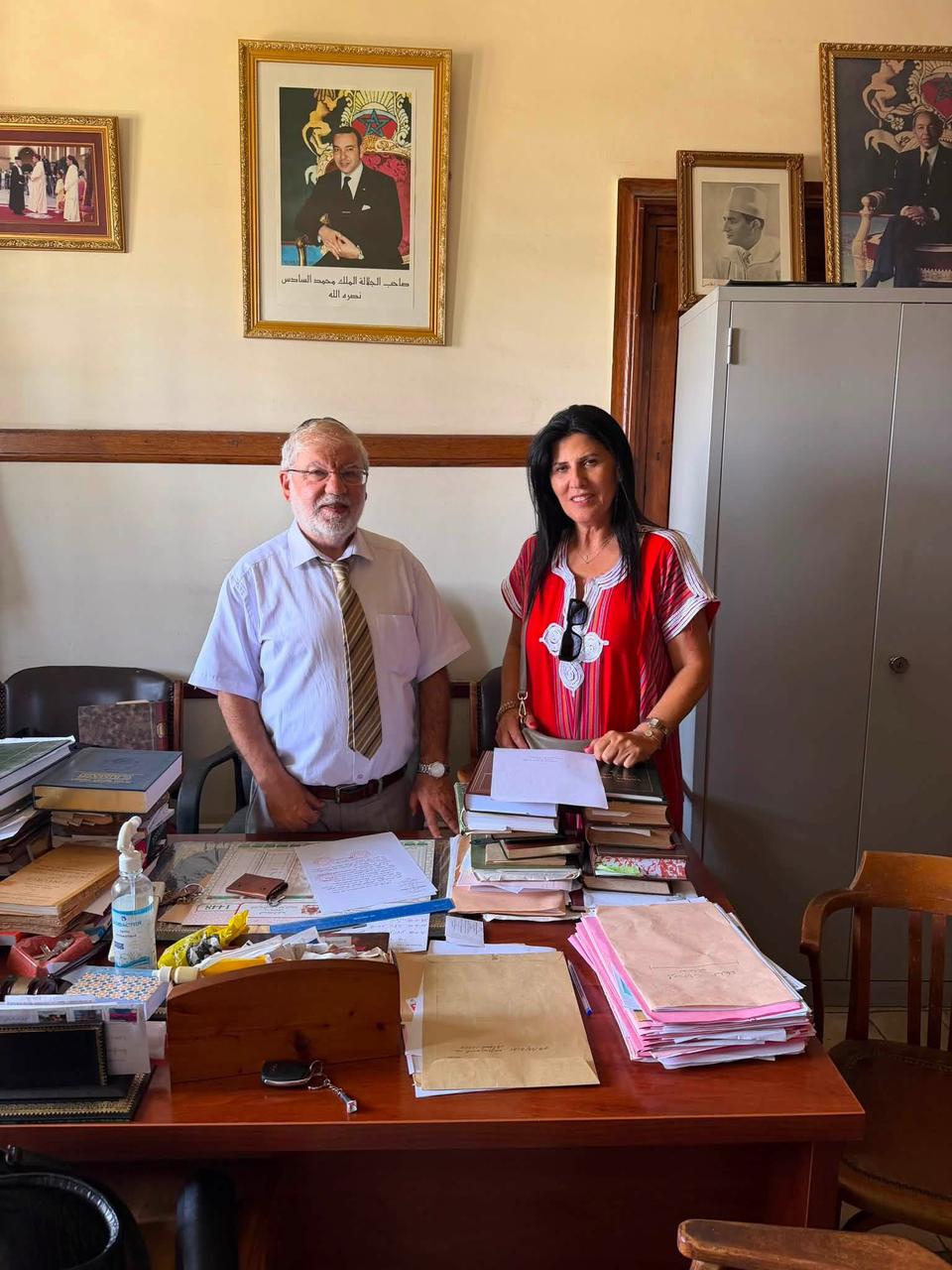
During her repeated trips, Moshe does not limit her presence to places exclusively associated with Jewish heritage. Although she attaches great importance to visiting synagogues, cemeteries and historical sites that testify to the deep-rooted presence of Jews within Moroccan society, she regards these sites as only one part of a much broader journey.
The Israeli adviser travels through different cities and immerses herself in Morocco’s cultural heritage and the everyday lives of its people, portraying a picture of contemporary Morocco, with all its transformations, developments and diversity.
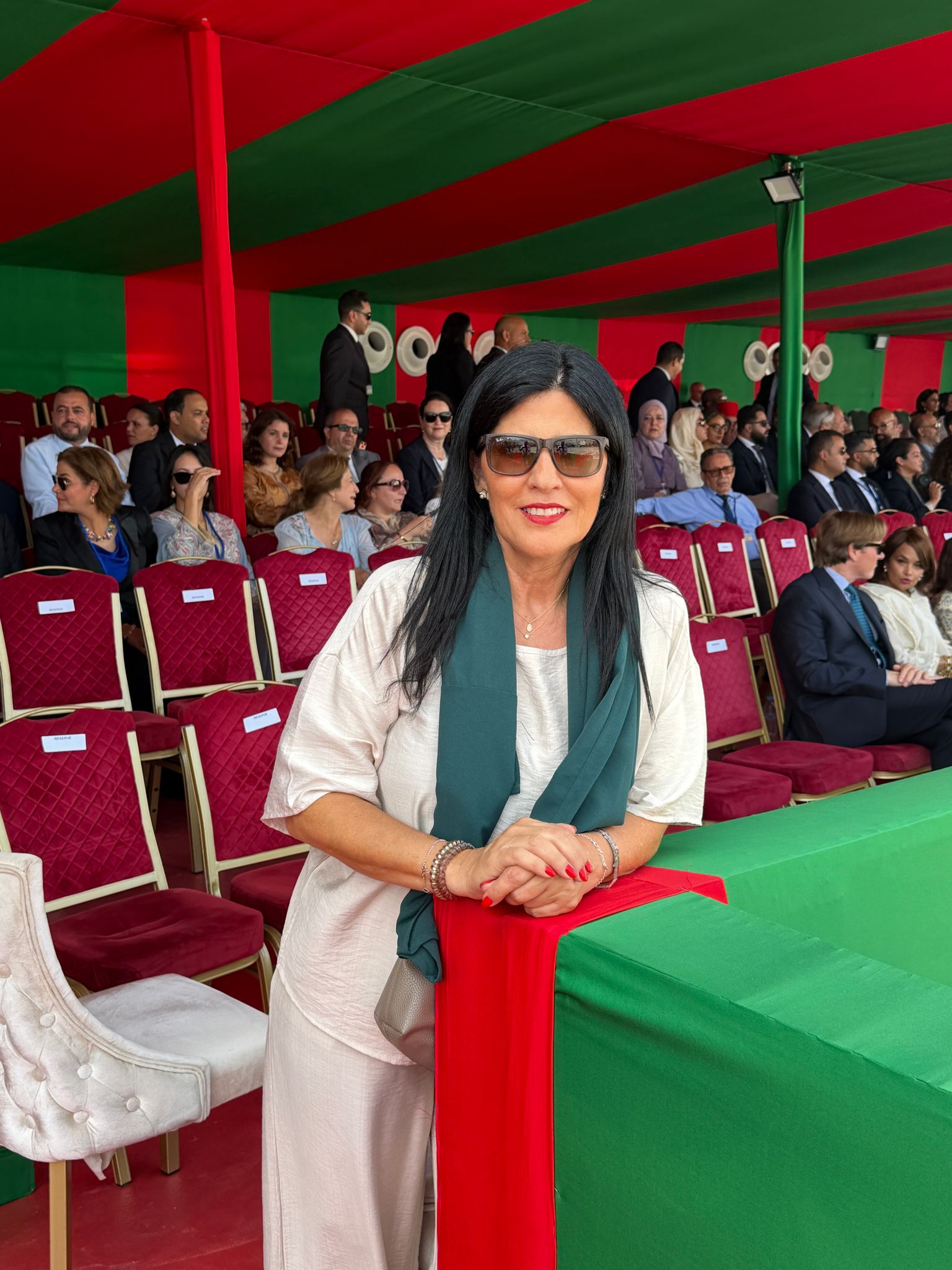
Through this experience, she seeks to convey a message: Morocco is more than simply a family memory inherited from previous generations. It is a living country, rich in diversity and constantly evolving.
A Message to Israeli Society
Through her personal experience, Orit Moshe is engaging in what could be described as a form of “parallel cultural diplomacy.” She seeks to present a different image of Morocco to Israeli society—one built around hospitality, shared history and coexistence.
She encourages Israelis, particularly those of Moroccan descent, to discover the country of their parents and grandparents by experiencing its present-day reality and engaging with its culture, rather than viewing it solely through nostalgia or inherited stories.
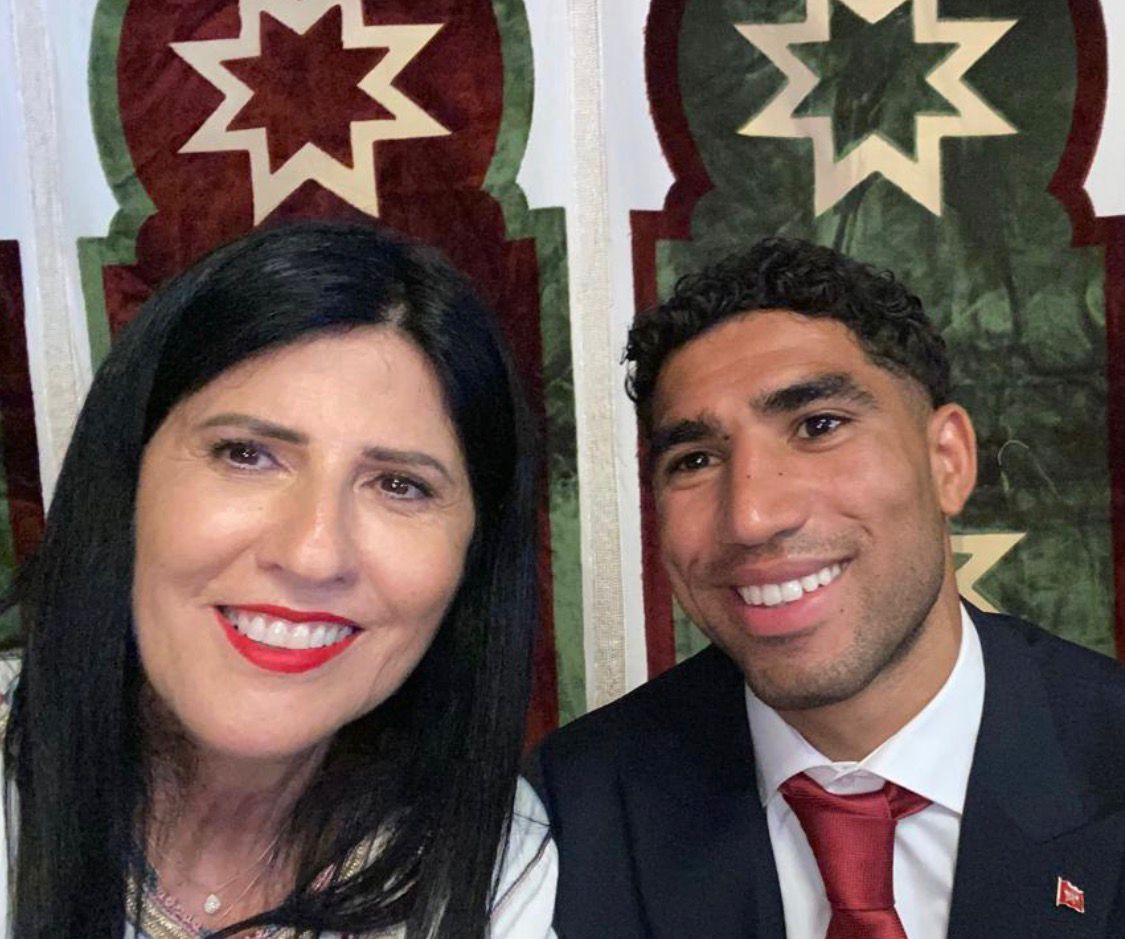
This message takes on added significance amid the ongoing debate surrounding Moroccan-Israeli relations. Moshe seeks to highlight the human and cultural dimension of these ties, emphasizing that the place of Moroccan Jews in the Kingdom, as well as the exceptional legacy established by the late King Hassan II and continued under King Mohammed VI in caring for this community, represent deep-rooted historical ties that cannot be reduced to political circumstances or fluctuations in official relations.
Air Connectivity Strengthens “Roots Tourism”
Moshe’s efforts come amid renewed momentum in roots tourism, particularly following the announcement of the resumption of direct flights between Israel and Marrakech.
With Israeli airline Arkia launching flights beginning August 24, 2026, after a suspension of nearly three years, new opportunities are emerging to revive travel between the two countries.
Moshe does not view this development solely from an economic or tourism perspective. Rather, she sees it as an opportunity to strengthen human connections. She encourages Israelis to make use of this air bridge to experience Morocco firsthand and discover its history beyond stereotypes and political tensions.
Between Two Worlds… Institutional Role and an Enduring Memory
Moshe’s human connection to Morocco cannot be separated from her institutional role. Her position within Israel’s parliamentary institution, together with her direct work with Knesset Speaker Amir Ohana—who is also of Moroccan descent—has given her an important role in strengthening communication between the two countries.
She has previously been honored by the Knesset leadership in recognition of her efforts to develop parliamentary relations between Morocco and Israel, particularly during Ohana’s historic visit to Rabat.
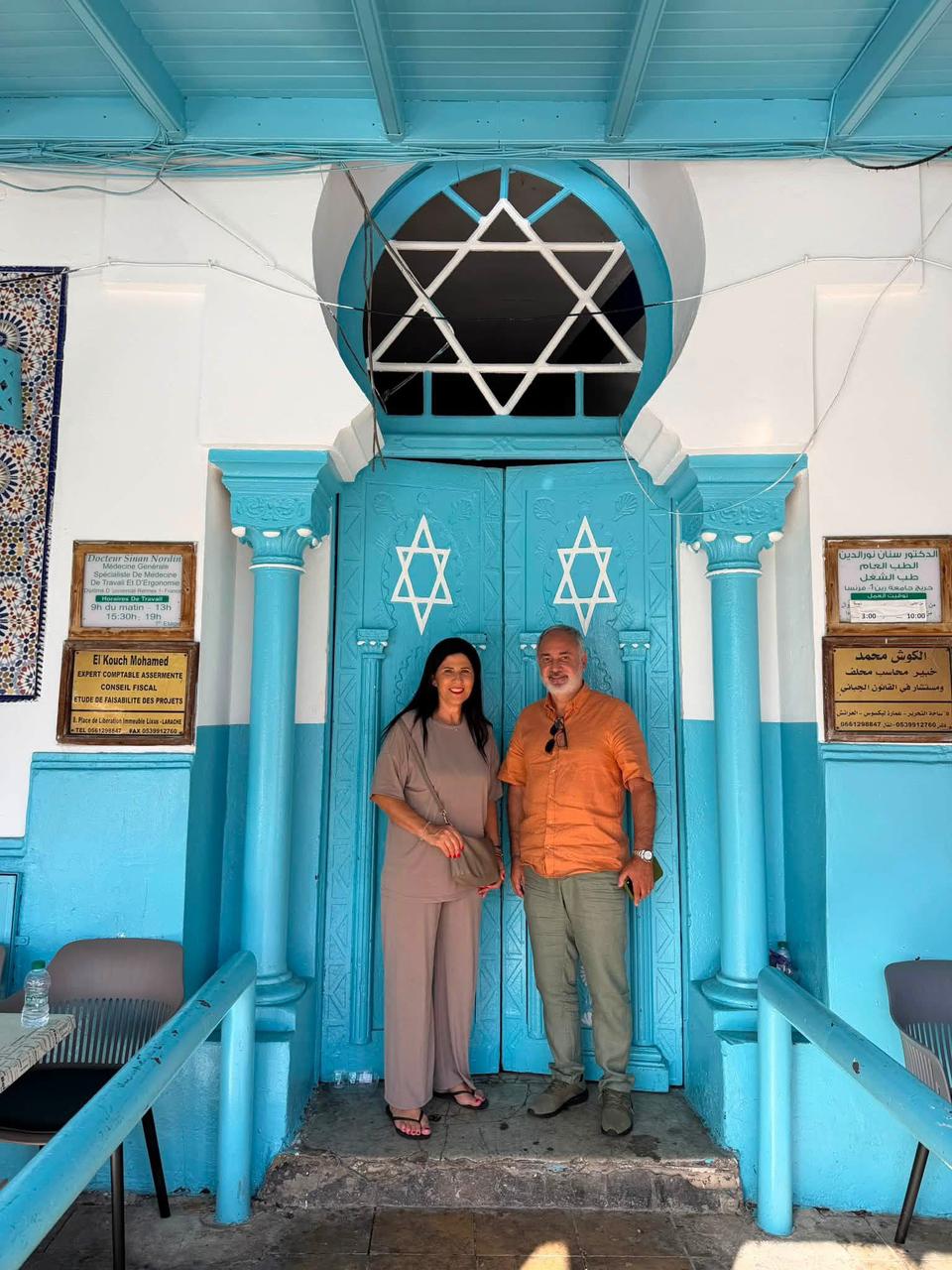
In this way, Orit Moshe moves between two worlds: Israel, where she has built her professional and political career, and Morocco, which remains deeply rooted in her memory and sense of belonging. Between the two, she is building a bridge of communication based on culture, human relations and shared history.
The experience of Orit Moshe embodies a deeper idea: Moroccan Jews carried a piece of Morocco with them wherever they went, and their return to the Kingdom today is not merely an act of longing for the past. It is also a celebration of a Morocco that embraces diversity and belonging—a living memory that refuses to be forgotten.