Study Warns of the Risks of Daily Reliance on Canned Foods
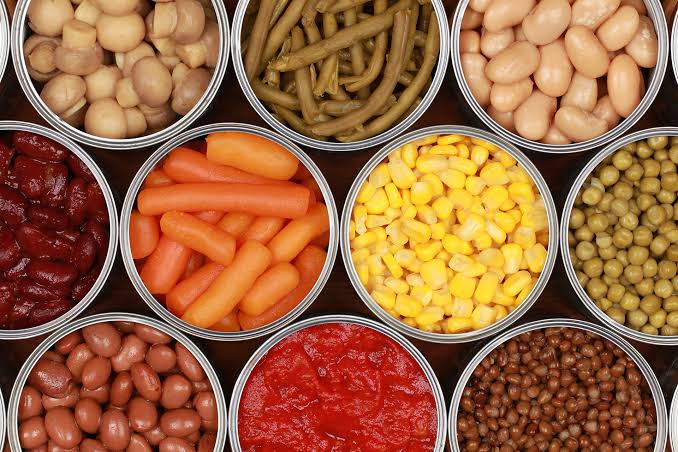
Canned foods top the list of preferred dietary options for many people thanks to their quick preparation and long shelf life. However, excessive reliance on them raises pressing medical questions about their true cost to human health.
According to the Times of India, consuming these products on a daily basis may expose the body’s vital organs to cumulative health risks.
Sodium stands out as one of the greatest health threats in canned foods. Widely used as a preservative, it leads to fluid retention and elevated blood pressure, placing significant strain on the heart and kidneys. In addition, preservatives and flavor additives force the liver to work harder to detoxify the body, which can, over time, undermine its functional efficiency.
During industrial processing and prolonged storage, these foods lose a large portion of their nutritional value—particularly vitamin C and antioxidants—making them far less beneficial than fresh alternatives. Their lack of fiber and high levels of unhealthy fats also contribute to digestive disorders such as bloating and constipation, especially among those who rely on them as a regular substitute for home-cooked meals.
Studies also warn about the packaging itself, as the chemical substance BPA can leach from can linings into food, potentially causing hormonal imbalances. Moreover, daily consumption of sugar-rich canned foods is linked to weight gain and an increased risk of type 2 diabetes, since they provide high calorie intake without offering a genuine feeling of fullness.
Nutrition experts emphasize that the solution does not lie in a complete ban, but rather in moderating consumption, choosing low-sodium options, carefully reading nutrition labels, and prioritizing fresh foods as a fundamental pillar for maintaining long-term health and well-bei