Climate and Health Alert: World Faces a Pandemic-Scale Crisis Driven by Global Warming
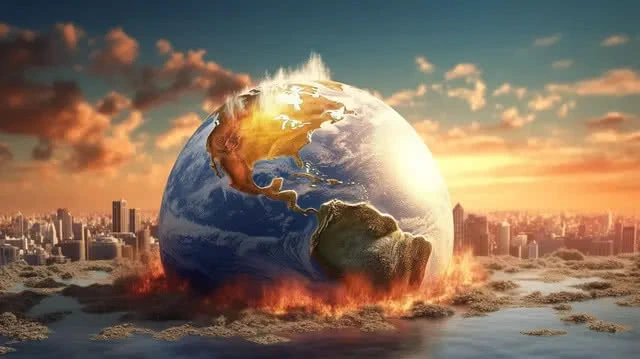

International climate leaders and meteorological officials have escalated warnings about climate change into a global health alert, cautioning that continued greenhouse gas emissions and the intensification of the El Niño phenomenon could push the world toward a health crisis of pandemic proportions. Rising heatwaves, warming oceans, and prolonged droughts are increasingly threatening food security and contributing to higher rates of premature mortality.
According to the news website MyJoyOnline, representatives of the United Nations and international philanthropic health organizations issued these warnings during a joint press conference organized by the World Meteorological Organization (WMO) on the sidelines of the COP31 climate summit in Antalya, Türkiye. They emphasized that the consequences of global warming are no longer confined to the environment and natural ecosystems but are placing growing pressure on healthcare systems worldwide.
In this context, WMO Secretary-General Celeste Saulo revealed in the organization’s 2026 climate update that the global average temperature between January and September had reached approximately 1.47°C above pre-industrial levels. This places the past four years, including 2026, among the hottest ever recorded, within a 12-year period considered the warmest in recorded history.
The alarming climate indicators extend beyond rising global temperatures. The WMO projected that sea surface temperature anomalies in the tropical Pacific, where the El Niño phenomenon develops, could reach four times the usual threshold of 0.5°C between November 2026 and January 2027. The organization noted that El Niño’s atmospheric impacts generally peak in the year following its formation, raising concerns that 2027 could bring further record-breaking global temperatures.
Meanwhile, ocean temperatures have reached record highs for the tenth consecutive year, while sea levels have also risen to unprecedented levels, threatening nearly 900 million people living in low-lying coastal areas exposed to flooding and storms. These developments coincide with increasingly severe climate-related disasters affecting regions from China and Nepal to parts of South America, Africa, and Asia.
Highlighting the human cost of the climate crisis, Simon Stiell, Executive Secretary of the United Nations Framework Convention on Climate Change (UNFCCC), warned that heatwaves during the summer of 2026 had caused more than 50,000 additional deaths across Europe, alongside alarming increases in mortality in India, Pakistan, and North America.
Stiell stressed that the climate emergency has evolved into a global public health crisis of epidemic proportions, driven by the continued burning of coal, oil, and gas, as well as widespread deforestation.