Report.. One-Third of the World’s Population Exposed to High Ozone Pollution Levels in 2026
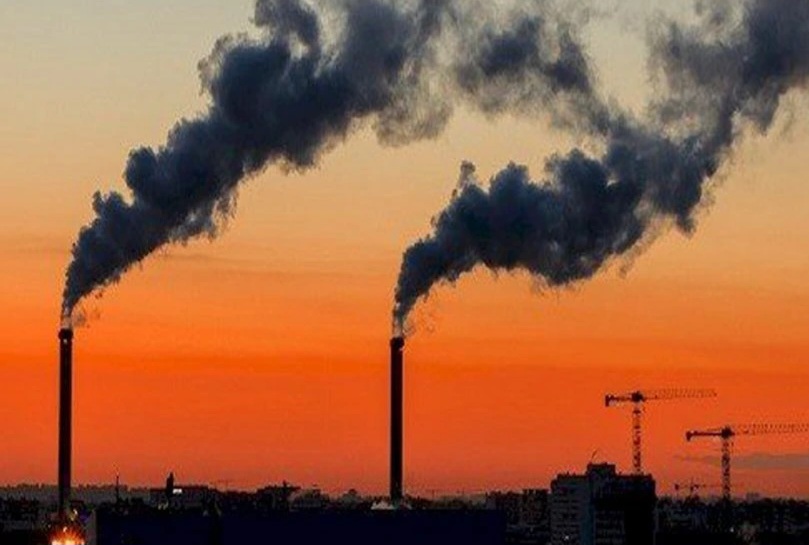
A report by the European Union’s Copernicus Atmosphere Monitoring Service has revealed that around one-third of the world’s population was exposed to extremely high levels of ozone air pollution in 2026, driven by heatwaves, wildfires and emissions from human activities.
The new analysis, published on Wednesday, September 30, 2026, highlights the close link between climate change and air pollution.
Ground-level ozone forms when heat and sunlight interact with emissions from wildfires, vehicles and industrial activities. Exposure can damage lung tissue and cause breathing difficulties, asthma attacks and other health problems.
Despite progress made over recent decades in reducing emissions of some of the most harmful air pollutants, tackling ozone pollution remains more challenging, as climate change creates increasingly favorable conditions for its formation.
Record-breaking heatwaves and wildfires that swept across Europe and North America this year contributed to worsening ozone pollution, with smoke plumes spreading far beyond these regions.
Indonesia also experienced widespread wildfires, while the report warned that the El Niño climate phenomenon, which began in June and is expected to peak later in the year, could trigger further fires across Southeast Asia.
Laurence Rouil, Director of the Copernicus Atmosphere Monitoring Service, said in the report, titled “Atmosphere Monitoring,” that air pollution does not stop at borders. It can travel thousands of kilometers across continents and oceans, affecting air quality in regions far from its original source.
The report found that 34% of the world’s population was exposed to air classified as having “very poor” quality between January 1 and September 15, with ozone concentrations far exceeding the levels recommended by the World Health Organization.