7 Daily Habits That Can Leave Your Body Dehydrated and Increase the Risk of Dehydration
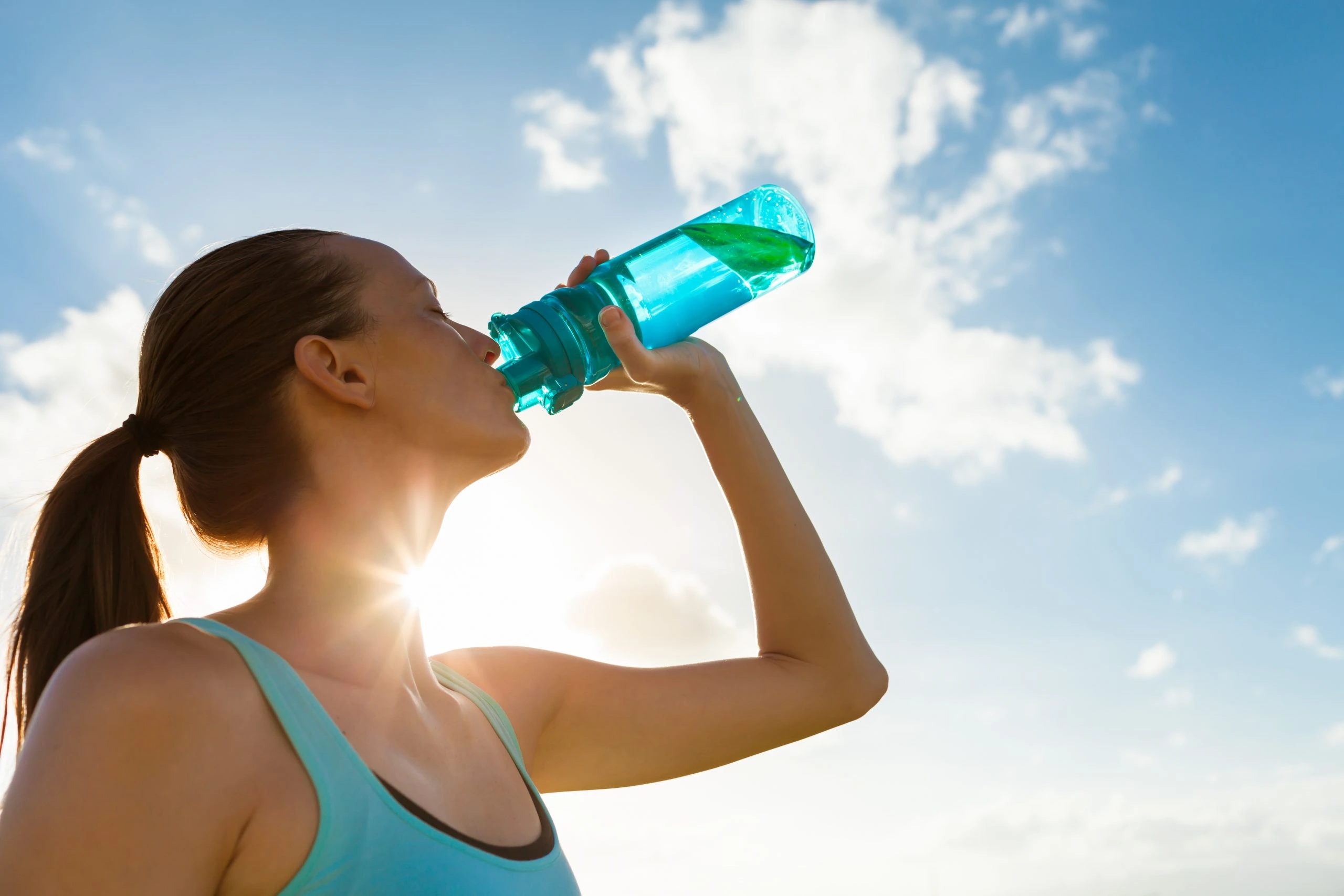
Health experts warn that certain everyday habits can lead to dehydration, even if you drink water regularly. This can negatively affect your energy levels, concentration, and the proper functioning of vital organs.
According to Verywell Health, avoiding these habits can help your body stay better hydrated.
One of the most common mistakes is waiting until you feel thirsty before drinking water. Thirst is usually a sign that your body has already started losing fluids. This problem is even more common among older adults, as the sensation of thirst tends to decrease with age. Experts therefore recommend drinking water at regular intervals throughout the day.
Specialists also point out that drinking a large amount of water all at once does not improve hydration, because the body quickly eliminates the excess. In rare cases, excessive water intake can lead to low sodium levels in the blood, a condition known as hyponatremia.
Another common mistake is skipping water after waking up. During sleep, the body naturally loses fluids, making a glass of water in the morning an effective way to restore hydration, reduce fatigue, and improve concentration.
The report also highlights the importance of replacing electrolytes such as sodium, potassium, and magnesium after heavy sweating or prolonged exercise. Proper hydration depends not only on water but also on these essential minerals, which help maintain the body’s fluid balance.
Experts note that coffee and tea can contribute to your daily fluid intake, but they should not be relied upon as your primary source of hydration. Excessive consumption of caffeine or energy drinks may increase fluid loss and sugar intake.
Hydration is not limited to drinking water. Water-rich foods such as cucumbers, watermelon, strawberries, oranges, and lettuce also help maintain healthy fluid levels and should be included in a balanced daily diet.
The report emphasizes that water needs vary from person to person depending on age, body weight, physical activity, climate, and overall health. People who exercise regularly or live in hot environments generally require more fluids.
General guidelines recommend a daily fluid intake of about 2.7 liters for women and 3.7 liters for men, including fluids obtained from both food and beverages. Experts stress that drinking small amounts of water consistently throughout the day, carrying a reusable water bottle, and increasing fluid intake before, during, and after exercise are more effective than trying to make up for dehydration all at once.