Why Knee Pain Has Become More Common Among Young People in Recent Years
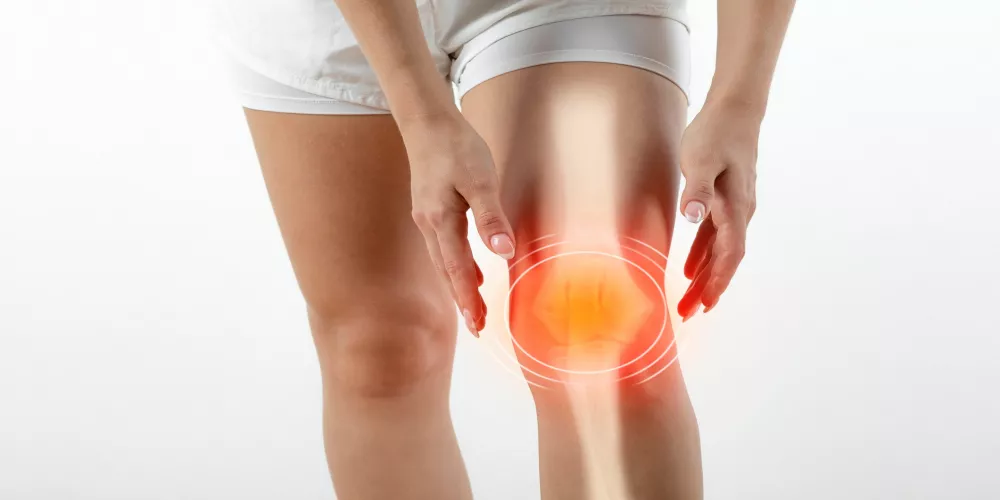
Knee pain is no longer seen as a problem exclusive to older adults. Increasingly, it is affecting younger people, especially those in their thirties and forties. Recent medical research highlights this shift, showing how lifestyle changes are impacting joint health—particularly the knees, which bear the greatest burden of body weight and daily movement.
Doctors and specialists point to two main factors behind this trend: the rise of obesity and the spread of intensive sports practices. Both place excessive stress on the knee joint, leading to early cartilage wear and a higher risk of inflammation and injury. In the United States, for example, health department data shows that knee replacement surgeries among people aged 45 to 64 rose by 240% between 2000 and 2017, underlining how serious the issue has become well before old age.
Scientific studies echo these concerns. A recent article in a cartilage-focused medical journal revealed that more than half of people in their thirties already show early signs of cartilage damage—such as small cracks or bone spurs—even without obvious symptoms. This supports the idea that knee problems often develop silently before becoming noticeable over time.
Obesity remains the most influential factor. Every extra pound adds pressure to the joints, speeding up cartilage breakdown and making it less resilient. While exercise is fundamentally healthy, certain high-impact or poorly managed sports can actually worsen knee strain, particularly among young athletes and teenagers competing at an intense level.
Sports-related knee injuries may be treated in different ways, but damaged cartilage rarely returns to its original state. These injuries often open the door to long-term complications. Over time, knee pain usually develops gradually, intensifies with physical activity or weight gain, and may eventually lead to advanced osteoarthritis—a chronic condition that causes pain, stiffness, and reduced mobility.
Even so, prevention and early intervention remain highly effective. Maintaining a healthy weight is crucial: losing even a few pounds can significantly reduce pressure on the knees, ease pain, and slow cartilage wear. Strengthening the thigh and supporting muscles with targeted exercises also improves stability and protects the joint from injury.
For those leading sedentary lifestyles, such as office workers who spend long hours sitting, doctors recommend adding daily activity breaks, including walking, stretching, and wearing proper footwear—especially for those who must stand for extended periods. Small changes like these can help protect knee health in the long run.
If pain appears and persists, ignoring it is not wise. Early diagnosis and proper treatment—whether through physical therapy or minimally invasive surgery—can restore much of the joint’s function and prevent the need for a full knee replacement, which is expensive, complex, and not always suitable for every patient.
Ultimately, knee pain has become a true marker of modern lifestyle changes. It is no longer just an age-related issue but a result of unhealthy habits and overuse of the body without giving joints enough time to recover. As awareness grows, prevention and self-care remain the most effective ways to protect joint health and preserve quality of life.