Signs of Iron Deficiency in Pregnant Women
Alalam24, Pregnant women are more prone to anemia than others due to iron or vitamin deficiency during pregnancy. This puts them at significant risk if left untreated, as anemia can lead to premature birth and low birth weight. Dr. Abdel Tawab Thabet, a professor of obstetrics and gynecology, talks to us about the symptoms, causes, and prevention of anemia in pregnant women.
Symptoms of Anemia in Pregnant Women:
- General fatigue and weakness: The pregnant woman feels extremely weak and tired and may even feel like she cannot move.
- Inability to perform daily tasks: She cannot perform her usual daily tasks and feels like her energy is at its lowest.
- Dizziness and shortness of breath: The pregnant woman may experience severe dizziness and lightheadedness, as well as noticeable weight loss and shortness of breath.
- Chest pain and palpitations: She may experience chest tenderness that can lead to heart problems, as well as heart arrhythmia and sometimes an increased heart rate.
- Mood swings and depression: Mood swings, anxiety, nervousness, and severe depression, causing her to cry constantly for no reason.
- Sleep disturbances and headaches: Sleep disturbances and insomnia, which reduce the number of hours of sleep. The pregnant woman also suffers from chronic headaches and pain in the back of the head.
- Cognitive impairment: The nervous system is severely affected by iron deficiency, which leads to significant weakness in nerve and cognitive functions. This results in weak brain cells, making it difficult to focus, concentrate, understand, and assimilate information.
Harmful effects of iron deficiency on pregnant women and the fetus:
- Low birth weight and anemia in the newborn: Iron deficiency can lead to low birth weight in the baby and increase the risk of neonatal anemia and growth retardation.
- Postpartum depression: In women, iron deficiency increases the risk of depression after childbirth, also known as “postpartum depression.”
Natural prevention of anemia:
- Healthy and balanced diet: Pregnant women should consume about 30 mg of iron per day. It is therefore recommended to eat a healthy and balanced diet.
- Food supplements and iron-rich foods: It is important to make sure that pregnant women get enough iron and vitamins. The doctor may prescribe supplements and recommend a balanced and nutrient-rich diet.
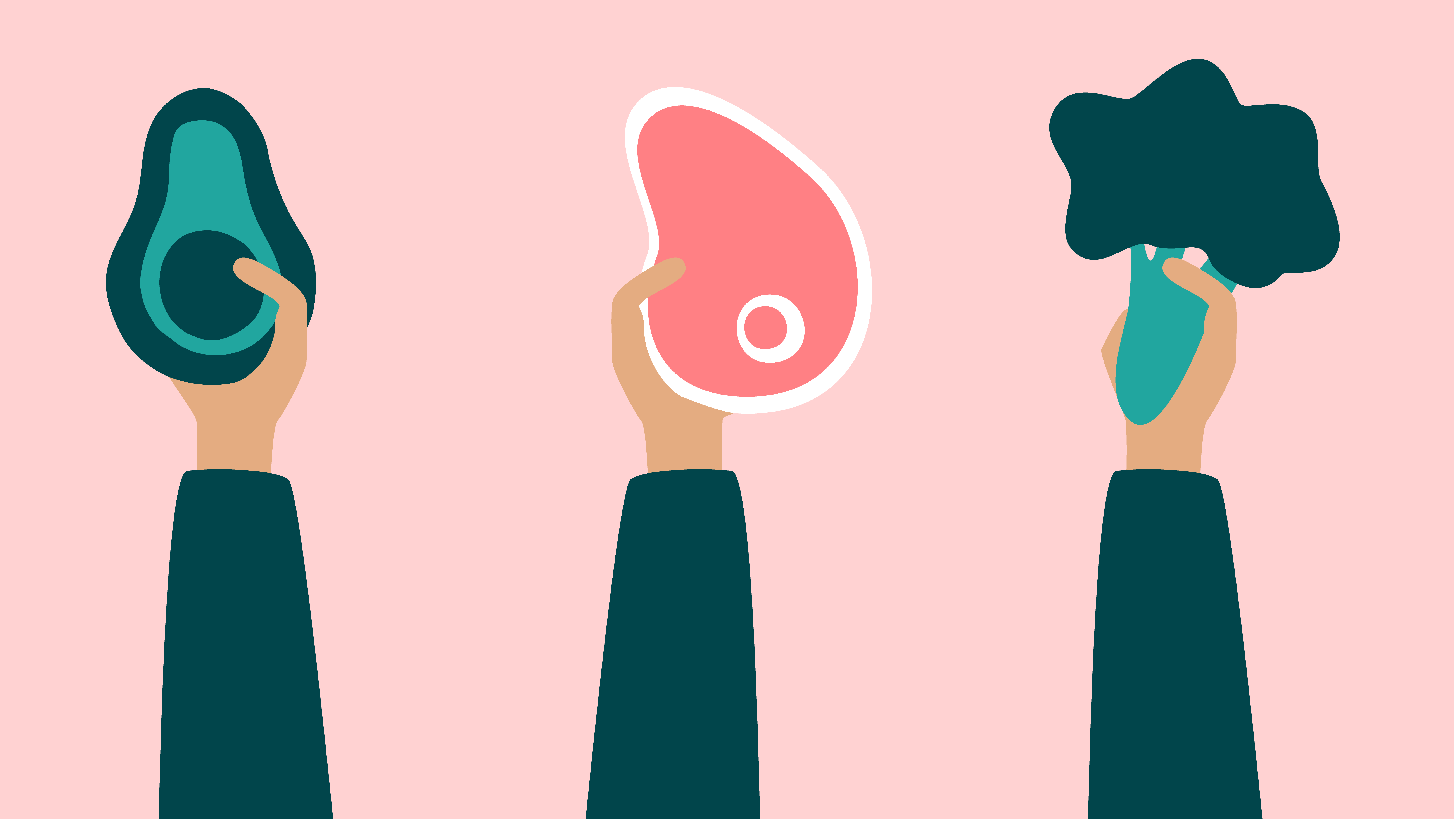
- Iron-rich foods: Lean red meat, fish, poultry, dark green vegetables (spinach, broccoli, kale), iron-fortified cereals, beans, lentils, eggs, nuts and seeds, citrus fruits, bread, and breakfast cereals fortified with folic acid.
- Foods rich in vitamin C: Pregnant women are also encouraged to consume foods rich in vitamin C, which promote the absorption of iron by the body.
- Fruits and other foods: It is also helpful to consume fruits rich in iron like apples and bananas, as well as black honey.
Treatment of anemia:
- Iron supplements: Treatment is based on the administration of iron-rich food supplements, usually in the form of capsules, tablets, and sometimes injections.
- Blood transfusion: In some cases, a blood transfusion may be necessary for pregnant women who do not respond to iron-rich food supplements.