A plant-based compound opens new perspectives against acute myeloid leukemia
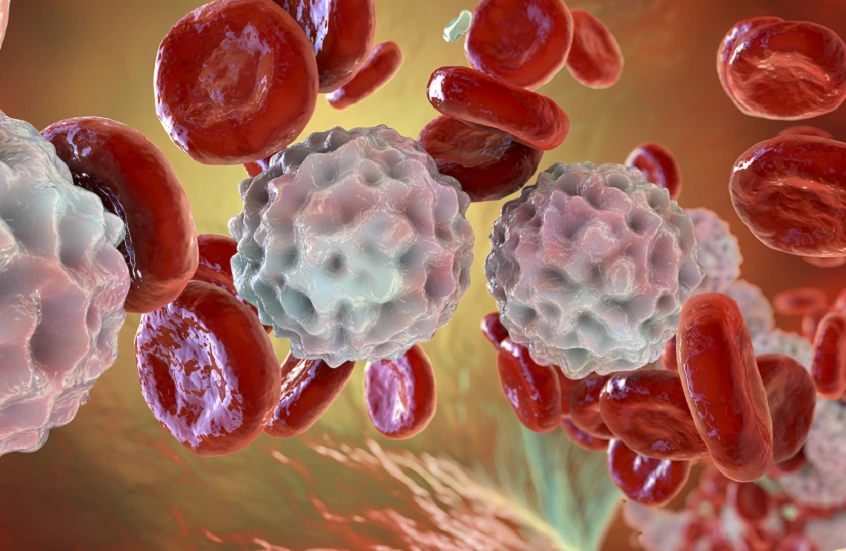
Researchers have developed a compound derived from jojoba that could represent a new therapeutic strategy against acute myeloid leukemia, one of the most aggressive forms of blood cancer.
Their work shows that leukemia cells rely heavily on a protein called ABCD1 to produce the energy they need to survive. The new compound works by blocking this protein, depriving cancer cells of their main energy source. Unable to adapt, they accumulate lipids and eventually die, while healthy cells continue to function using other energy sources.
Initial laboratory tests and animal models have shown promising results, with a reduction in signs of the disease and improved survival, without major side effects observed at this stage.
However, the researchers emphasize that this approach remains experimental and will need to undergo clinical trials to confirm its effectiveness and safety in humans.
This discovery paves the way for the development of more targeted treatments, potentially more effective and less toxic, against acute myeloid leukemia and, eventually, other cancers with similar metabolic mechanisms.