
WHO: Malaria claimed more than 600,000 lives in 2024
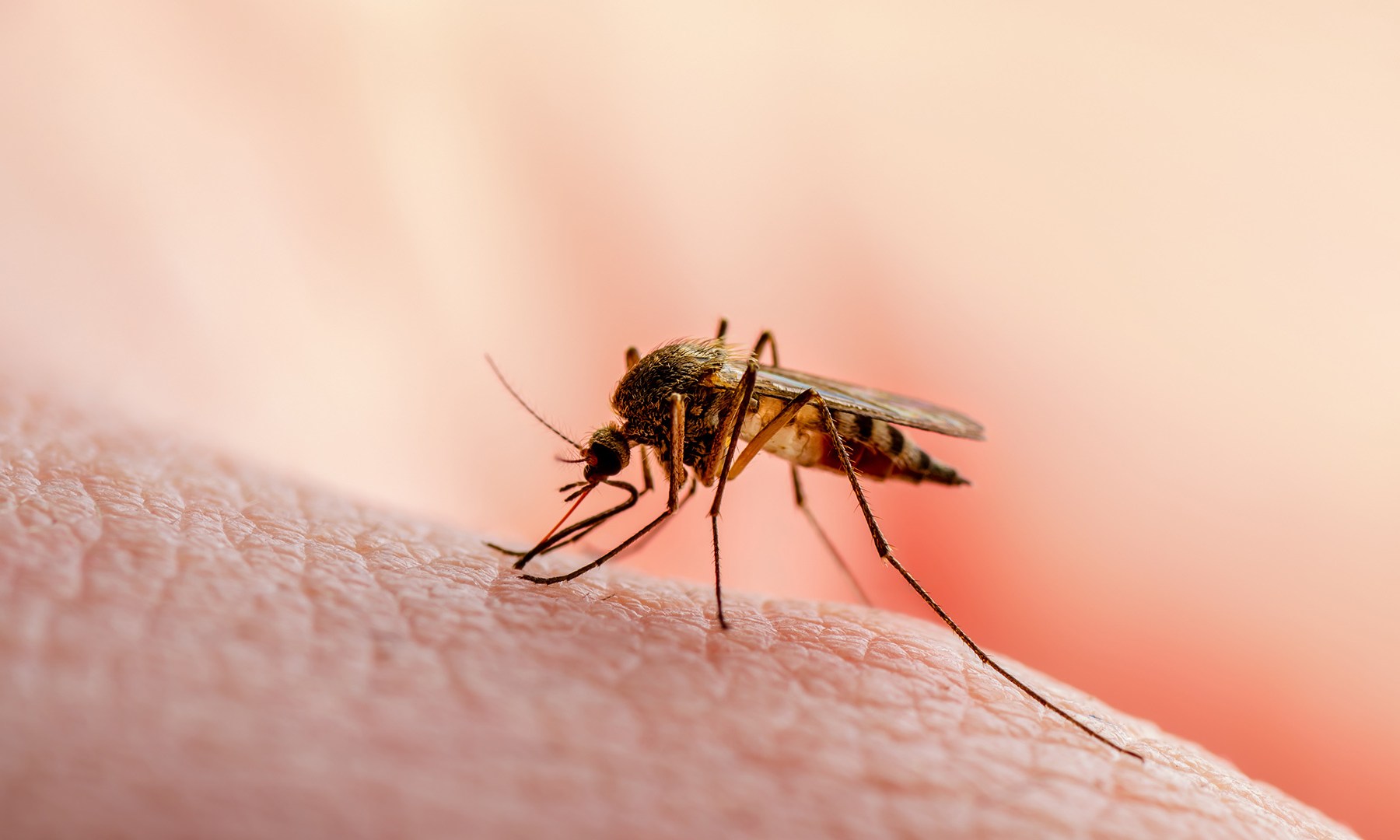
The World Health Organization (WHO) announced on Thursday that malaria caused 610,000 deaths in 2024, most of them young children in sub-Saharan Africa.
In its annual malaria report, the organization warned of the growing risks linked to drug-resistant parasites, climate change, and declining funding.
The report noted that this figure represents a slight increase compared to the number of deaths recorded in 2023, adding that malaria cases rose from 273 million to an estimated 282 million. Despite the progress achieved in the early 2000s, global malaria control efforts have stalled over the past decade. While 47 countries have been declared malaria-free, others have seen a significant surge in infections in 2024, particularly Ethiopia, Madagascar, and Yemen.
Daniel Ngamije Madandi, Director of the WHO Global Malaria Programme, stated that “far too many people are still dying from a disease that is both preventable and treatable.”
He explained that efforts to fight this mosquito-borne disease face several challenges, including increasing resistance to antimalarial drugs, resistance to insecticides used in some bed nets, as well as the impacts of climate change and ongoing conflicts.