Study.. Reward Timing May Be the Key to Faster Learning in the Brain
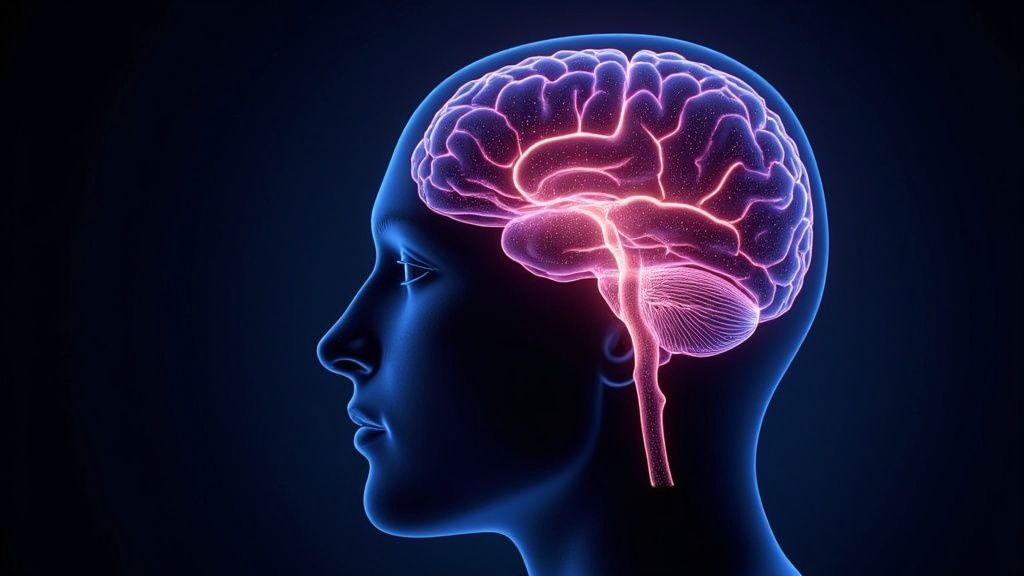
A recent scientific study conducted by researchers from the University of California, San Francisco and Berkeley has revealed that the timing of rewards plays a crucial role in the learning process—more important even than repetition. This discovery challenges traditional views on how the brain builds mental connections and makes decisions.
According to the scientific report published by MedicalXpress, experiments showed that the brain learns more effectively when the time intervals between rewards are longer. It turns out that the number of trials is not the decisive factor; rather, the total time between rewards determines the quality and speed of learning.
In this context, researchers monitored the activity of the neurotransmitter dopamine in the brain’s reward and motivation center, known as the nucleus accumbens. They found that neural signals follow a precise temporal pattern: the learning response becomes stronger as the time gap between rewards increases.
These findings open new horizons for developing more efficient educational and training strategies. They also contribute to a deeper medical understanding of disorders related to reward behavior, such as addiction, and may help improve artificial intelligence algorithms.