Scientific Study.. Intensive Cholesterol-Lowering Treatment Helps Reduce Plaque Buildup in Arteries
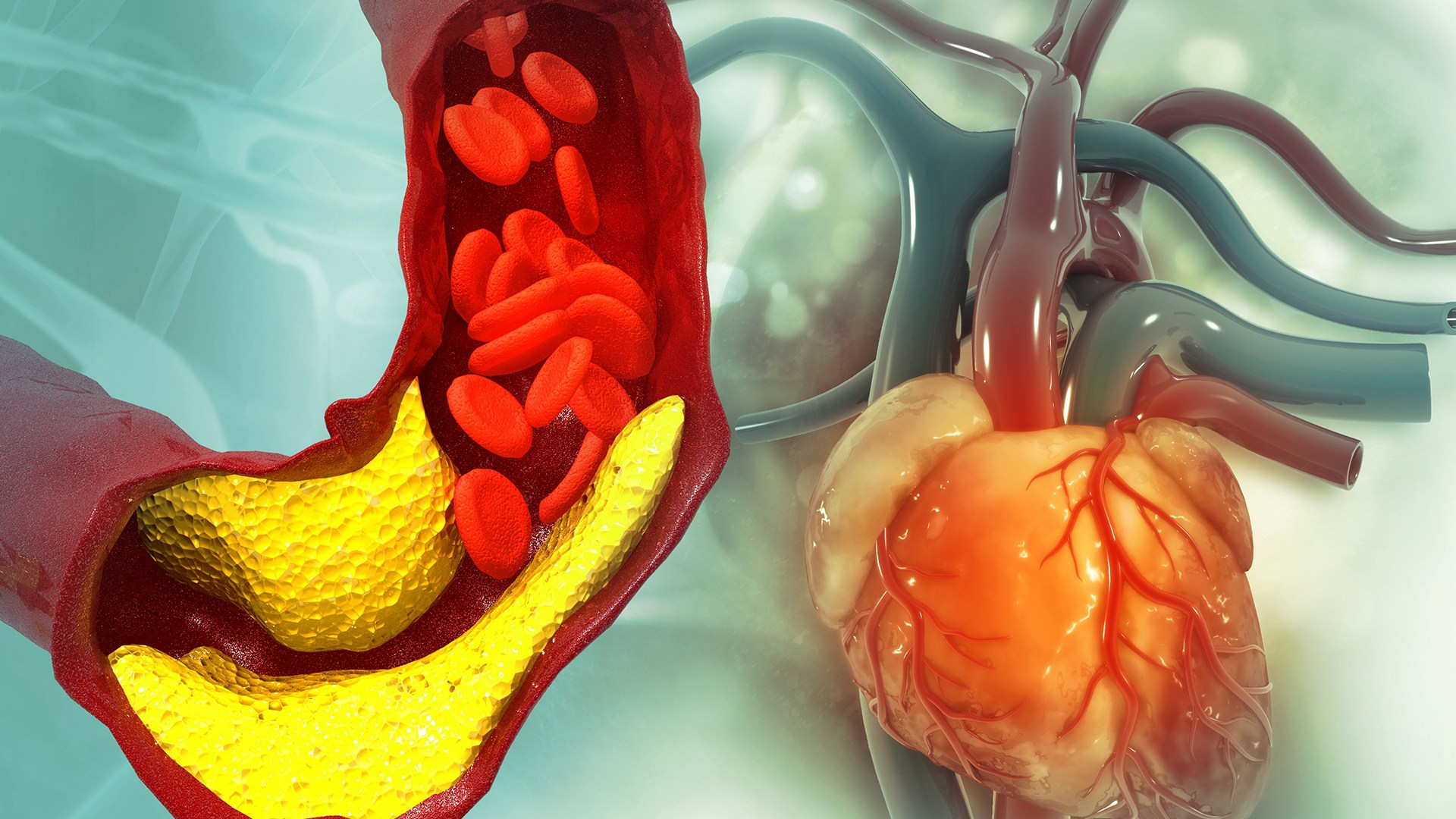
A recent Danish study published in the scientific journal JAMA Cardiology has revealed that combining two cholesterol-lowering medications is more effective at reducing plaque buildup in the coronary arteries than relying solely on a high dose of statins.
Atherosclerosis has traditionally been considered a progressive and irreversible disease. However, intensive lowering of low-density lipoprotein (LDL), commonly known as bad cholesterol, may not only slow plaque accumulation but also reduce existing deposits in arterial walls. This finding is particularly significant for protecting the coronary arteries, which supply blood to the heart, from narrowing and plaque rupture that can lead to heart attacks.
The clinical trial involved 104 adults in Denmark with confirmed coronary artery disease and stable chest pain who had never previously received statin therapy. After 18 months of treatment, 90% of participants receiving combination therapy experienced a reduction in coronary plaque volume, compared with 75% of those treated with a high-dose statin alone.
The first group received 40 mg of rosuvastatin combined with 10 mg of ezetimibe daily, while the second group received 40 mg of atorvastatin per day.
Rosuvastatin works by reducing cholesterol production in the liver, whereas ezetimibe limits cholesterol absorption in the intestines. This combination achieved a 65% reduction in LDL cholesterol levels, compared with a 38% reduction in the group receiving atorvastatin alone.
The substantial decrease in cholesterol levels was associated with a 21.1% reduction in total coronary plaque volume among patients receiving combination therapy, compared with 13.6% in those taking a statin alone.
Non-calcified plaques, which contain lipid-rich components and may be more vulnerable to rupture, decreased by 28.2% in the combination therapy group, compared with 20% in the statin-only group.
Meanwhile, slight increases in calcified plaque were observed in both groups, a change that medical experts believe may reflect greater plaque stability and a reduced likelihood of rupture.
According to the study’s lead researcher, Dr. Martin Bødtker Mortensen of Aarhus University, the most likely explanation for these findings is the substantial reduction in LDL cholesterol levels. The results therefore strengthen the hypothesis that atherosclerosis is not necessarily an irreversible condition.
However, experts emphasize that the study focused on changes in plaque volume measured through medical imaging and did not directly assess whether the treatment reduced the incidence of heart attacks.
Given the relatively small number of participants and the fact that none had previously received statin treatment, the findings do not justify recommending combination therapy universally.
Treatment decisions should remain based on an individualized assessment of cardiovascular risk, medical history, and each patient’s response to medication.