A Vaccine Available for Years Could Hold a New Key to Preventing Dementia
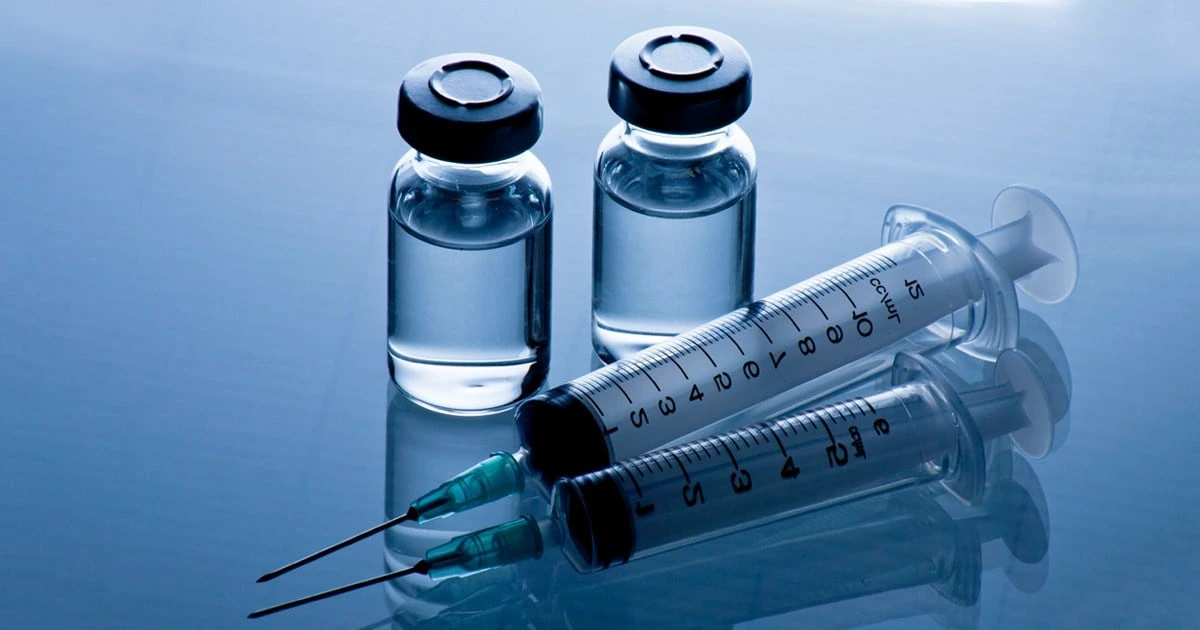
Recent analyses have revealed potential additional benefits of the shingles vaccine beyond preventing the painful disease, which is often accompanied by a skin rash. Research suggests that the vaccine could also help reduce the risk of developing dementia.
Research findings indicate that receiving the shingles vaccine may be associated with up to a 20% reduction in the risk of dementia. The reduction could reach around 50% for vascular dementia, one of the most common forms of the condition.
Pharmaceutical company GSK, which manufactures the vaccine, is exploring the possibility of having it officially recognized as a vaccine that could help prevent dementia, as demand for shingles vaccination continues to rise in the United Kingdom.
According to data published last week, the number of people paying privately for the vaccine doubled over the past year. The cost can reach around £500, amid growing interest in its potential benefits beyond its primary use.
These findings are particularly significant given the substantial sums spent in recent years on developing new treatments for dementia without achieving definitive solutions. The shingles vaccine, meanwhile, is already available and is relatively less expensive than many potential treatments.
A growing number of experts also believe that the shingles vaccine may not be the only widely used medical intervention with unexpected long-term health benefits. Preliminary studies are examining whether vaccines designed to prevent common infections could also influence the risk of dementia and other diseases.
Early research has suggested that some vaccines may be associated with health benefits extending beyond infection prevention, potentially including serious conditions such as cardiovascular disease and cancer. However, these findings remain preliminary and have yet to achieve scientific consensus.
Despite ongoing scientific debate and the need for further studies to confirm these findings, the hypothesis could pave the way for a reassessment of the long-term effects of certain vaccines and a broader understanding of their potential health benefits beyond their original purposes.