Study Reveals How Cancer Evades the Immune System and Paves the Way for New Treatments
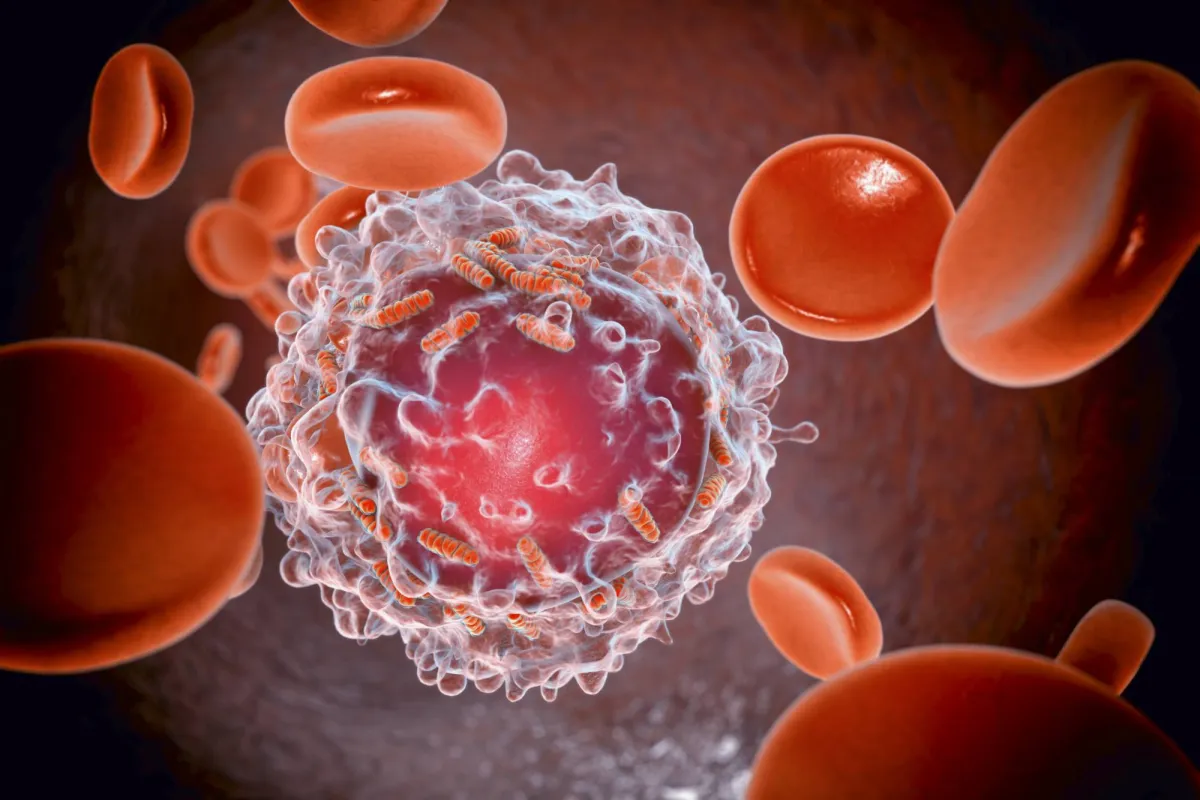
A recent scientific study has uncovered a sophisticated defense mechanism used by cancerous tumors. Rather than simply growing and spreading throughout the body, cancer cells can deceive the immune system and evade detection by chemically altering a vital protein found on the surface of cells, known as MUC1.
According to Euronews, this protein normally serves as a first line of defense by coating cells with a protective sugar layer that shields them from viruses and toxins while helping the immune system identify abnormal activity. However, cancer cells modify this protein, stripping it of its protective functions and transforming it into a shield that conceals the tumor and promotes its growth.
This process is linked to a defect in glycosylation, the mechanism by which sugars are attached to proteins. In healthy cells, sugar chains are long and well-organized, forming a stable protective barrier. In cancer cells, these chains become shorter and disorganized.
As a result, abnormal markers known as Tn and sTn appear on the cell surface. These markers act as “cancer fingerprints,” enabling tumor cells to disguise themselves and escape immune surveillance.
The impact goes beyond concealment. These chemical alterations also reprogram the cell’s internal systems, gradually driving it toward a fully cancerous state.
The study found that this disruption is not random. It occurs when specific enzymes move from their normal location in the Golgi apparatus, responsible for processing and packaging proteins, to the endoplasmic reticulum, the cell’s main production center. This relocation leads to the formation of abnormal sugar structures that support tumor survival.
Using advanced computer models and atomic-level quantum chemistry techniques, researchers were able to pinpoint the origin of these changes. They identified a specific site within the MUC1 protein, called T13, which appears to be the preferred target for cancer-induced structural modifications.
These findings open promising therapeutic opportunities. Understanding the precise structure of this “sugar shield” could enable scientists to develop drugs that block or disable it, stripping cancer cells of their ability to hide and making them more vulnerable to the body’s natural immune defenses.
Researchers are now focusing on simulating the relationship between these chemical changes and the behavior of immune cells, particularly macrophages, which are responsible for engulfing and eliminating foreign substances. In some cases, cancer is able to manipulate these cells and turn them into allies rather than enemies.
Overall, the study highlights how tumors rely on a highly sophisticated chemical system involving the manipulation of sugars and proteins to reshape their environment. Decoding this mechanism could become a key step toward developing more precise, targeted, and effective cancer treatments in the future.