Artificial intelligence moves closer to uncovering hidden secrets that drive cancer progression
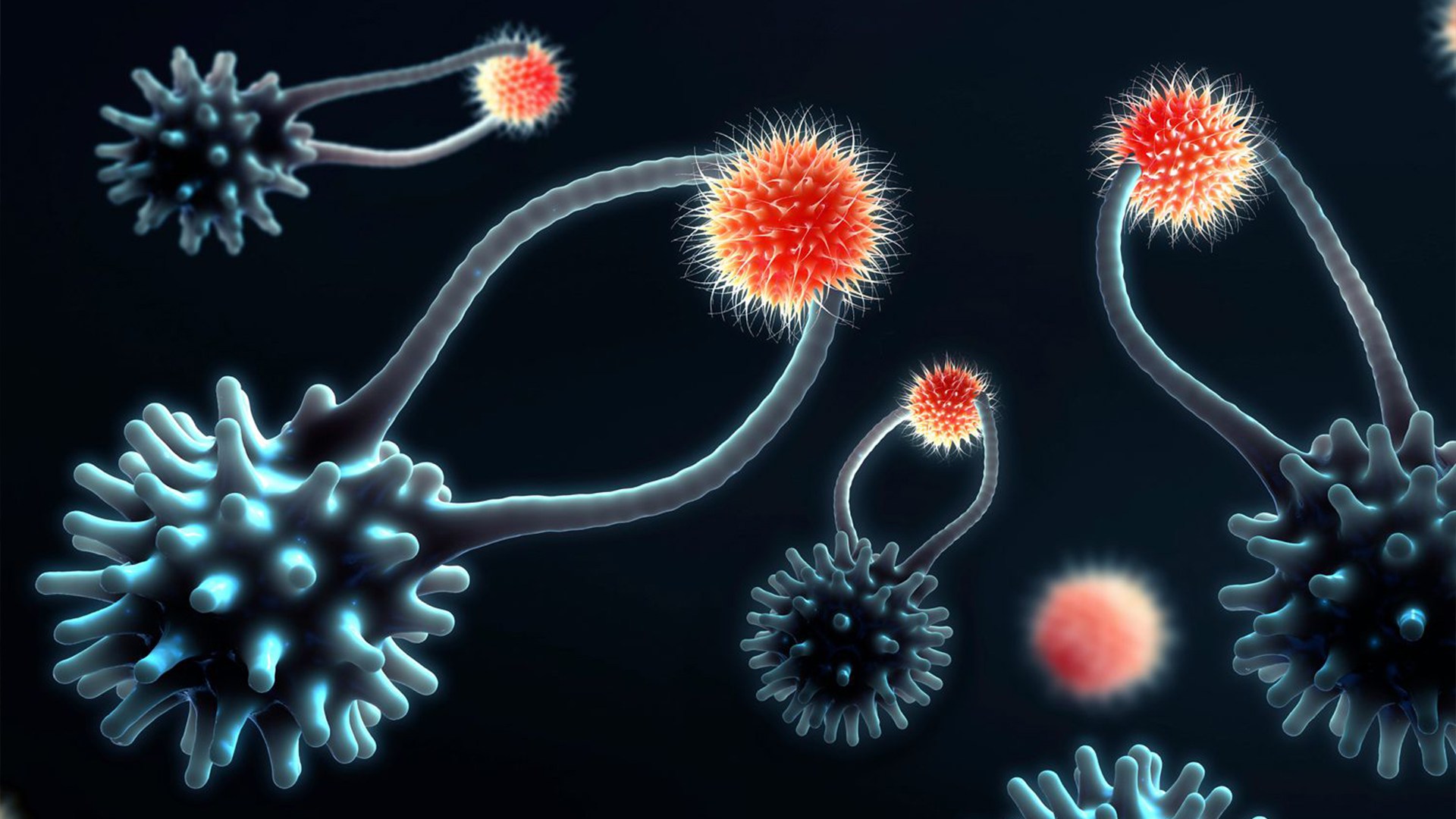
A scientific team from the University of South Australia has developed an innovative and effective approach to uncover the genetic interactions underlying cancer development, marking a major scientific breakthrough that opens promising prospects for early diagnosis and the development of more precise and targeted therapies.
This new method relies on artificial intelligence technologies to identify groups of genes that work together to promote tumor growth, rather than focusing on individual mutated genes, as is commonly done in traditional studies.
In this context, the lead researcher of the study, Andrés Cifuentes Bernal, explained that the team used artificial intelligence tools to assess how genes influence one another over time. This made it possible to gain deeper insight into the biological mechanisms that enable tumors to grow, spread, and resist treatments.
Bernal noted that conventional approaches often overlook subtle or rare genetic changes, as well as the complex interactions between genes that give malignant cells their ability to evolve. According to the study’s findings, the new system not only identifies previously known genes but also succeeds in uncovering genes that were previously hidden, including non-mutated genes that influence other genes and contribute to tumor progression.
The research team confirmed that this approach proved effective in identifying several known cancer drivers, while also revealing new candidate genes linked to cell signaling, immune response, and cancer spread. This could help identify new therapeutic targets, particularly for patients whose tumors lack common genetic mutations.