Promising Genetic Revolution.. One Injection May Permanently Reduce Cholesterol
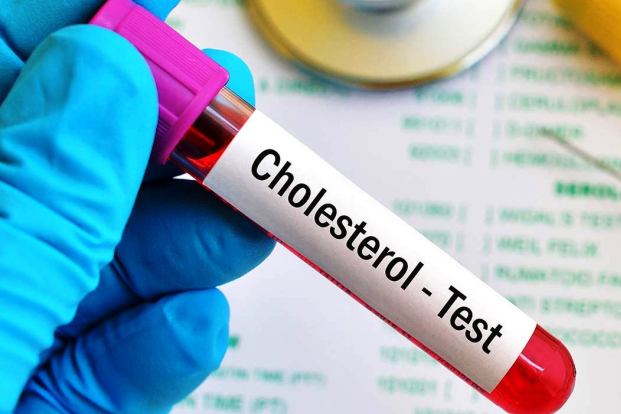
A recent study published in the New England Journal of Medicine has revealed the success of an experimental treatment based on gene-editing technology that significantly, and potentially permanently, lowers levels of bad cholesterol in the body after just a single injection. Researchers hope this scientific breakthrough could help prevent cardiovascular diseases on a large scale, conditions that claim the lives of around 800,000 Americans each year, unlike traditional gene therapies that generally focus on rare diseases.
The study relied on an interim analysis involving 35 patients as part of a broader clinical trial expected to include up to 85 participants, all of whom suffer from heart disease or inherited high levels of bad cholesterol. According to findings reported by The New York Times, a single experimental injection succeeded in reducing cholesterol levels by as much as 62%, with this notable decrease remaining stable among a subgroup of patients monitored for 18 months.
The mechanism behind this innovative treatment involves administering an injection containing a gene-editing system, described as a “small molecular factory,” enclosed within a protective lipid layer. These microscopic particles travel directly through the bloodstream to the liver, where cells absorb them and remove their fatty coating, allowing the therapeutic process to begin inside the targeted organ.