Vitamin A Under the Microscope.. An Essential Nutrient for Eye Health
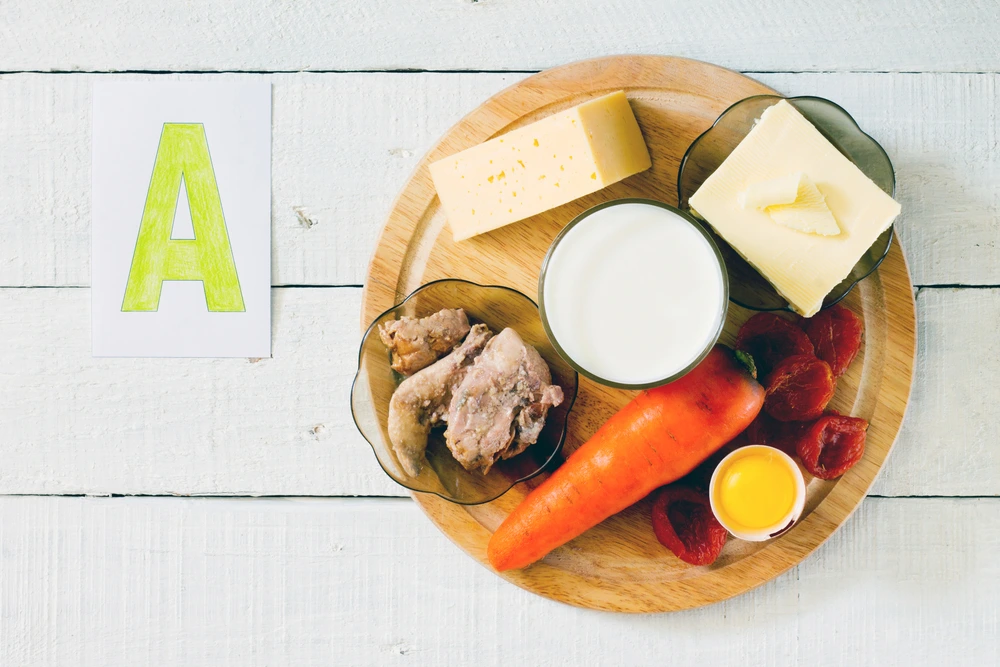
Vitamin A (retinol) is considered a vital nutrient for maintaining healthy vision and proper visual function, according to nutrition experts. Since the human body cannot produce this vitamin on its own, it must be obtained through diet or dietary supplements.
The report explains that both the method and timing of vitamin A intake play a crucial role in how well it is absorbed by the body. As a fat-soluble vitamin, vitamin A should be consumed alongside foods rich in healthy fats—such as olive oil, avocados, nuts, and seeds—to ensure optimal absorption and effective delivery into the bloodstream.
Regarding the best time to take it, doctors note that there is no single ideal hour that suits everyone. Consistency is the most important factor, especially for individuals suffering from a deficiency. It is therefore recommended to choose a fixed daily time—whether at breakfast, lunch, or dinner—depending on personal routine and the timing of other medications.
Recommended daily intake varies according to the guidelines of the Food and Nutrition Board. Men require 900 micrograms per day, while women need 700 micrograms. During pregnancy, the recommended intake increases to 770 micrograms per day.