When Does a Cesarean Delivery Become a Medical Necessity
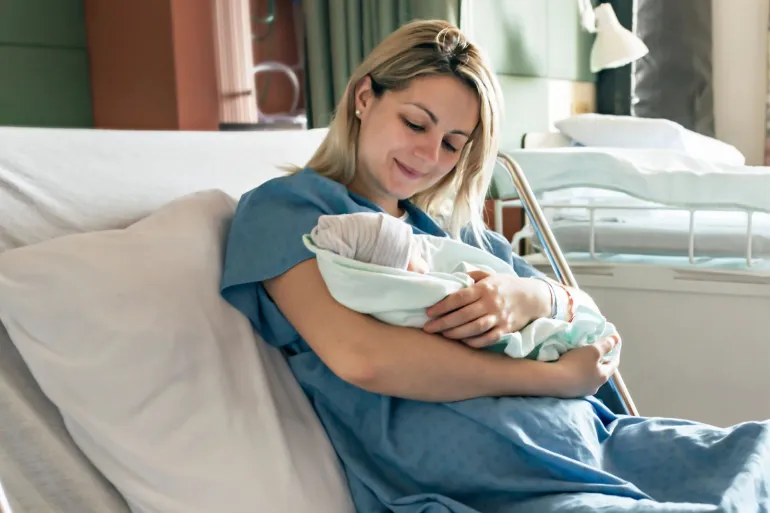
A cesarean delivery is the alternative to natural childbirth. Doctors generally encourage mothers to opt for vaginal birth because of its many benefits and provide guidance to increase the chances of success. However, certain situations require surgical intervention and a cesarean section, often linked to the mother’s or the baby’s condition. It is important for the mother to be prepared for the postoperative period, especially the pain that may occur once the anesthesia wears off.
There are, however, some simple but effective measures that help ease and reduce pain after a cesarean delivery, allowing the mother to focus on caring for her newborn and breastfeeding. In an exclusive interview, obstetrics and gynecology consultant Dr. Maha Abdel Aziz shared five key strategies that can significantly help reduce post-cesarean pain, including the importance of taking pain relievers on schedule without delay.
When is a cesarean delivery necessary?
A cesarean delivery is a surgical procedure in which the baby and placenta are delivered through an incision in the lower abdomen. It is used in specific cases and considered an alternative when vaginal delivery is not possible or not safe. Such cases include: a large baby, twin or multiple pregnancies, improper fetal positions such as breech presentation, pregnancy after the age of 35, maternal obesity, or a narrow pelvis, which may sometimes be congenital.
Moreover, if the mother has previously undergone a cesarean delivery, she may be advised to have another one, especially if the baby’s position does not allow for a vaginal birth or if the fetus does not descend into the pelvis. In such cases, prolonging the pregnancy can become dangerous for both the mother and the child due to the absence of signs of labor onset.