Super El Niño Intensifies.. Warnings of Unprecedented Droughts and Floods
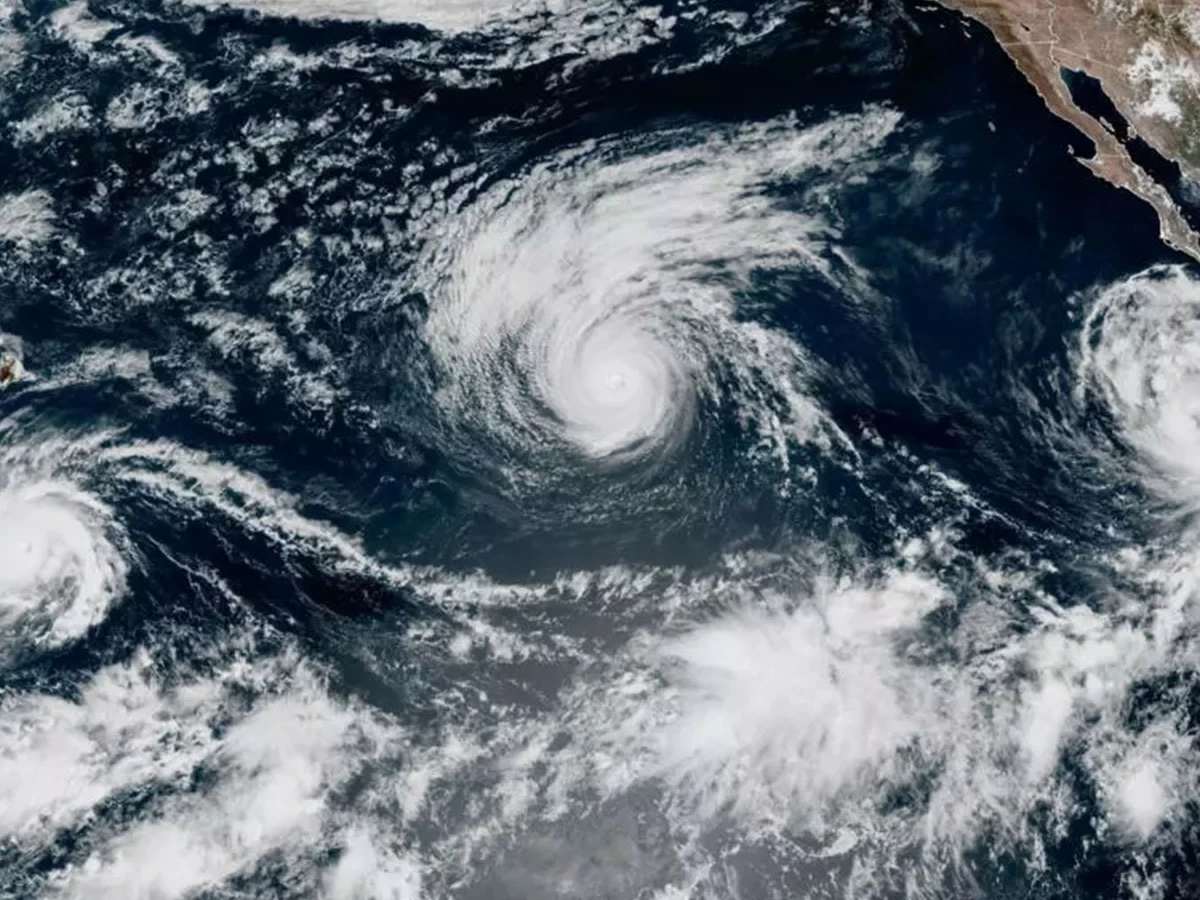

The El Niño climate phenomenon continues to intensify, with scientists warning that it could reach exceptional levels before its expected peak at the end of the year. This development could disrupt weather patterns across several regions of the world, increasing the risks of droughts, floods, and wildfires.
According to a report published by the French newspaper Le Monde on Tuesday, November 3, the phenomenon, which emerged in the tropical Pacific Ocean last spring, has already surpassed previous records as ocean temperatures continue to rise.
Climate monitoring data indicate that, by the end of October, sea surface temperatures in a key region of the Pacific Ocean had risen approximately 3.5 degrees Celsius above reference levels, exceeding the previous record set in 2015. Forecasts suggest that this increase could reach 4 degrees Celsius by the end of the year, highlighting the exceptional strength of the phenomenon and its potential impact on global temperatures and rainfall patterns.
The consequences of these climatic fluctuations have already begun to emerge in several countries. Indonesia is facing widespread wildfires exacerbated by drought, while parts of South America are experiencing severe rainfall shortages, prompting Bolivia to declare a state of emergency. Meanwhile, India has recorded one of its weakest monsoon seasons in 25 years, while Chile has experienced heavy rainfall that has caused extensive damage.
Concerns are also growing over the potential spread of drought conditions across southern Africa, alongside an increased risk of flooding in East Africa, as the phenomenon continues to disrupt climatic patterns in different parts of the world.
The risks associated with El Niño extend beyond extreme weather events, affecting vital economic sectors, particularly agriculture, infrastructure, and supply chains. The phenomenon could also have significant public health consequences resulting from heatwaves, droughts, and floods.
Despite the exceptional intensity expected from this climate event, researchers emphasize that its impacts vary considerably from one region to another. Global warming and other climatic factors may further exacerbate certain disasters, while the economic and environmental consequences of El Niño are likely to persist even after the phenomenon subsides.