Study Warns of Rising Sea Levels.. Trade Disruptions and Higher Prices Threaten the World
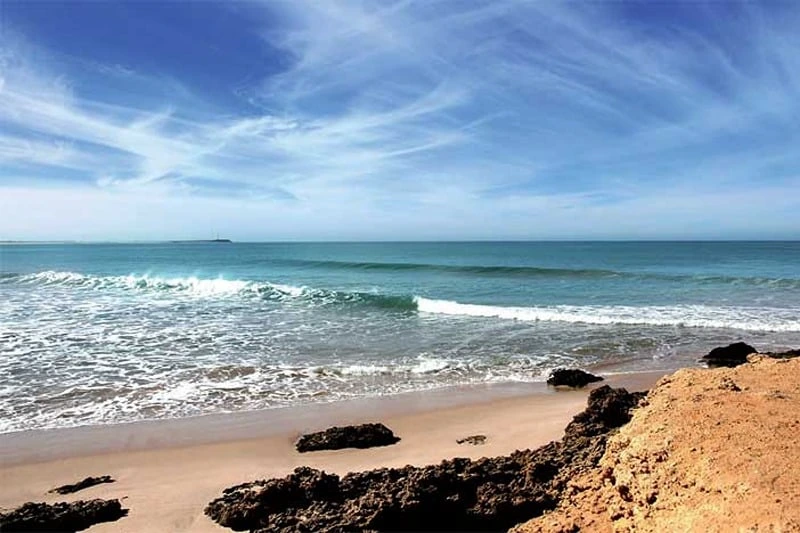
A recent analytical study has revealed that the consequences of rising sea levels are no longer limited to coastal areas and populations living near shorelines. Their effects could extend to millions of people living far from the oceans, particularly through potential increases in food and energy prices, disruptions to global trade, and growing financial burdens on governments.
According to an analysis published by The Conversation, rising sea levels could affect various aspects of everyday life, even in cities located hundreds of kilometers from the coast, due to the interconnected nature of food systems, transportation networks, energy facilities, and critical infrastructure.
Low-lying agricultural land faces some of the greatest risks associated with this phenomenon. Seawater intrusion and the flooding of farmland with saltwater could destroy crops and damage soil fertility, directly affecting agricultural production and increasing food supply costs.
The Fens region in the United Kingdom illustrates the scale of these challenges. The area contains 48% of England’s highest-quality agricultural land and accounts for approximately one-third of its vegetable production. Its vulnerability to flooding therefore poses a potential threat to food supplies and could lead to higher prices.
The risks extend beyond agriculture. Ports and maritime transport infrastructure are essential pillars of the global economy, with more than 80% of international merchandise trade transported by sea. Consequently, flooding affecting ports, roads, and railway networks could delay shipments, increase import costs, and ultimately drive up consumer prices in domestic markets.
These consequences also extend to coastal energy facilities, including oil refineries, gas terminals, and power plants. Flooding could damage equipment and distribution networks, disrupt energy supplies, and increase electricity and energy bills for consumers.
From an economic and security perspective, governments may face substantial expenses to protect infrastructure and relocate vulnerable facilities to safer locations. Such measures could place additional pressure on public budgets. Meanwhile, naval bases and coastal military installations also face risks that could compromise their operational readiness and ability to carry out essential missions.
Regarding future projections, estimates suggest that global sea levels could rise by between 28 and 55 centimeters by 2100 if greenhouse gas emissions are significantly reduced. However, if emissions remain at high levels, sea levels could increase by between 63 centimeters and one meter.
Researchers emphasize that reducing greenhouse gas emissions and strengthening infrastructure protection have become essential measures to limit potential losses. As the impacts of rising sea levels continue to expand, the threat is no longer confined to coastal regions but could increasingly affect economic sectors and the daily lives of millions of people living far from the shore.