UN Warns of Record Earth Heat Levels and Long-Term Consequences
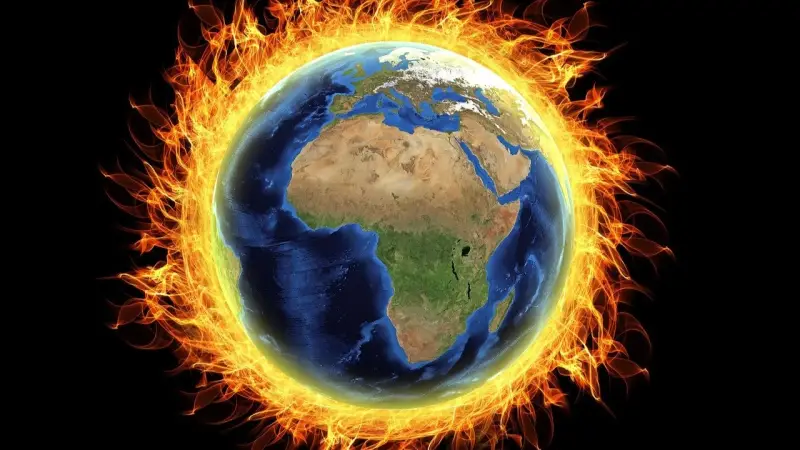
The United Nations warned on Monday, March 23, that the amount of heat trapped in the Earth reached record levels in 2025, cautioning that the severe impacts of this warming could persist for thousands of years.
The World Meteorological Organization, in its annual report on the “State of the Global Climate,” stressed that the eleven hottest years on record all occurred between 2015 and 2025.
It noted that last year ranked as the second or third hottest year ever recorded, with global temperatures exceeding the average recorded between 1850 and 1900 by 1.43°C.
The Geneva-based organization explained that this imbalance is driven by unprecedented increases in greenhouse gas concentrations, such as carbon dioxide, methane, and nitrous oxide, which have reached “their highest levels in at least 800,000 years.”
The report added that the oceans absorb more than 91% of the excess heat, highlighting that ocean temperatures reached a new record in 2025, with the rate of warming doubling compared to earlier periods (1960–2005 and 2005–2025).
The UN agency warned of the wide-ranging impacts of this rise, including the degradation of marine ecosystems, loss of biodiversity, reduced capacity of oceans to absorb carbon, as well as the intensification of tropical and subtropical storms and the accelerated melting of sea ice in polar regions.
The report also recorded significant ice mass loss in both Antarctica and Greenland, while the global average sea level rose by about 11 centimeters last year compared to the start of satellite measurements in 1993, with this rise expected to continue for centuries.
Finally, 2024 was recorded as the hottest year on record, with global temperatures rising by approximately 1.55°C above pre-industrial levels.