Experts outline steps to protect gallbladder patients from pain attacks during Ramadan
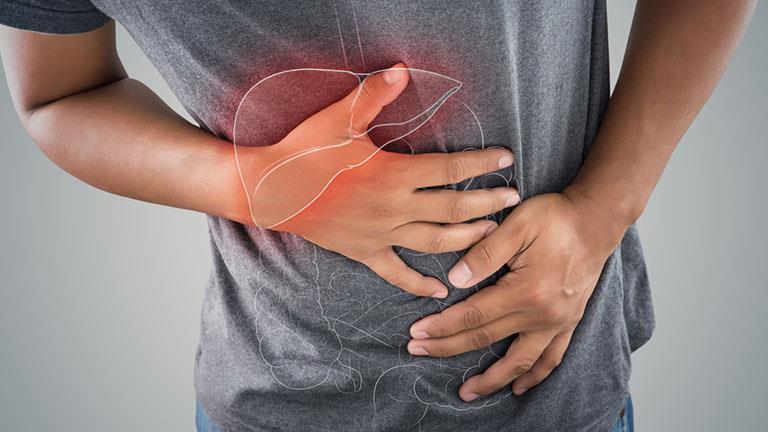
Some people suffer from gallbladder problems or gallstones, and fasting often raises questions about its impact on symptoms, especially with changes in meal times and the increased consumption of rich foods.
The gallbladder is a small organ located beneath the liver that stores bile, which helps digest fats. When a fatty meal is consumed, the gallbladder contracts to release bile. This process can move gallstones and cause severe pain in the upper abdomen that may radiate to the shoulder or back, often accompanied by nausea or vomiting.
According to Al Arabiya, fasting itself does not cause gallstones. The problem usually arises when people eat a large and fatty iftar meal, consume fried foods or excessive sugar, or eat quickly after long hours of fasting, which strongly stimulates gallbladder contraction.
To reduce this risk, doctors recommend avoiding fried foods, fatty meats, butter, ghee, and heavy desserts. Instead, they advise choosing lighter foods such as vegetables, fruits, whole grains, grilled proteins like chicken and fish, and low-fat dairy products.
Health experts also emphasize that the best approach for people with gallbladder problems is to start with a light iftar, then divide food intake into two or three small meals between iftar and suhoor, while drinking enough water and avoiding eating large quantities at once.
If a person experiences frequent or severe pain attacks, consulting a doctor before fasting is recommended. The most important factor in preventing pain is choosing low-fat foods to reduce pressure on the gallbladder during the holy month.